Article: How to Collect Antique Paintings
How to Collect Antique Paintings
Collecting antique paintings begins with learning to look: reading a signature, weighing an attribution, judging condition, and knowing the traditions a painting belongs to. This page maps our collecting guides — each written from the paintings in our own collection, from a signed Chaplin panel to a Barbizon canvas by Renault. These guides draw on more than 1,100 paintings handled and sold since 2017. Start with the eye: how to read a signature, an attribution, the condition of a canvas. Or start with the traditions: landscape, portrait, animal and sacred painting.
Learning to Look · The Landscape Tradition · The Portrait Tradition · Animal Painting · Sacred Subjects
Learning to Look
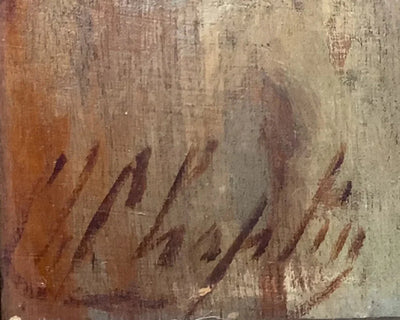
How to Read Signatures and Inscriptions
A signature is a clue, not a verdict: where to look, how to read monograms and dates, and the red flags.

Reading Attribution
The ladder from signed to after: how far a painting stands from the named master, and what each rung means.
Also in this series: Original, Copy, or After: What Old Master Copies Are Worth · Period Copies After the Old Masters · Relined, Restored, Craquelure: Understanding Condition
The Landscape Tradition
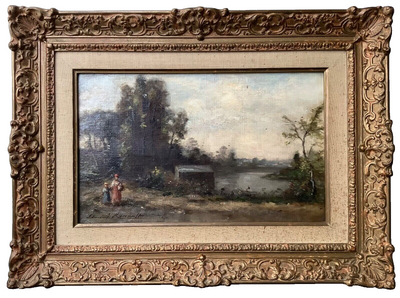
The Barbizon School in Painting
The pillar of the series: what the school was, how to recognise a period painting, and the works in our collection.
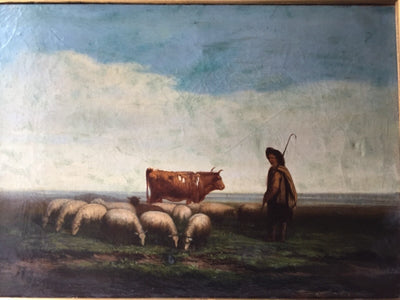
Pastoral Scenes: Shepherds and Sheep
The shepherd and his flock in nineteenth-century French painting — and the figure as the measure of the land.
Also in this series: Haystacks in French Painting: Before and After Monet · Animated Landscapes: Figures in 19th-Century French Painting · French Impressionist Landscape Painting Beyond the Famous Names
Browse our antique landscape paintings →
The Portrait Tradition
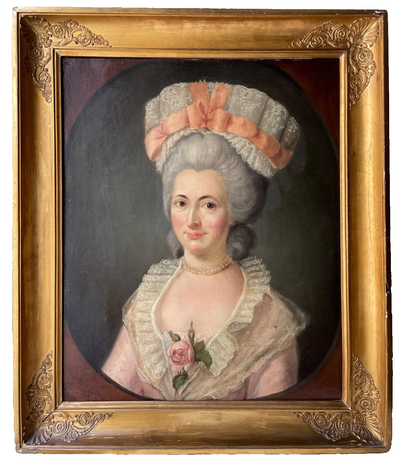
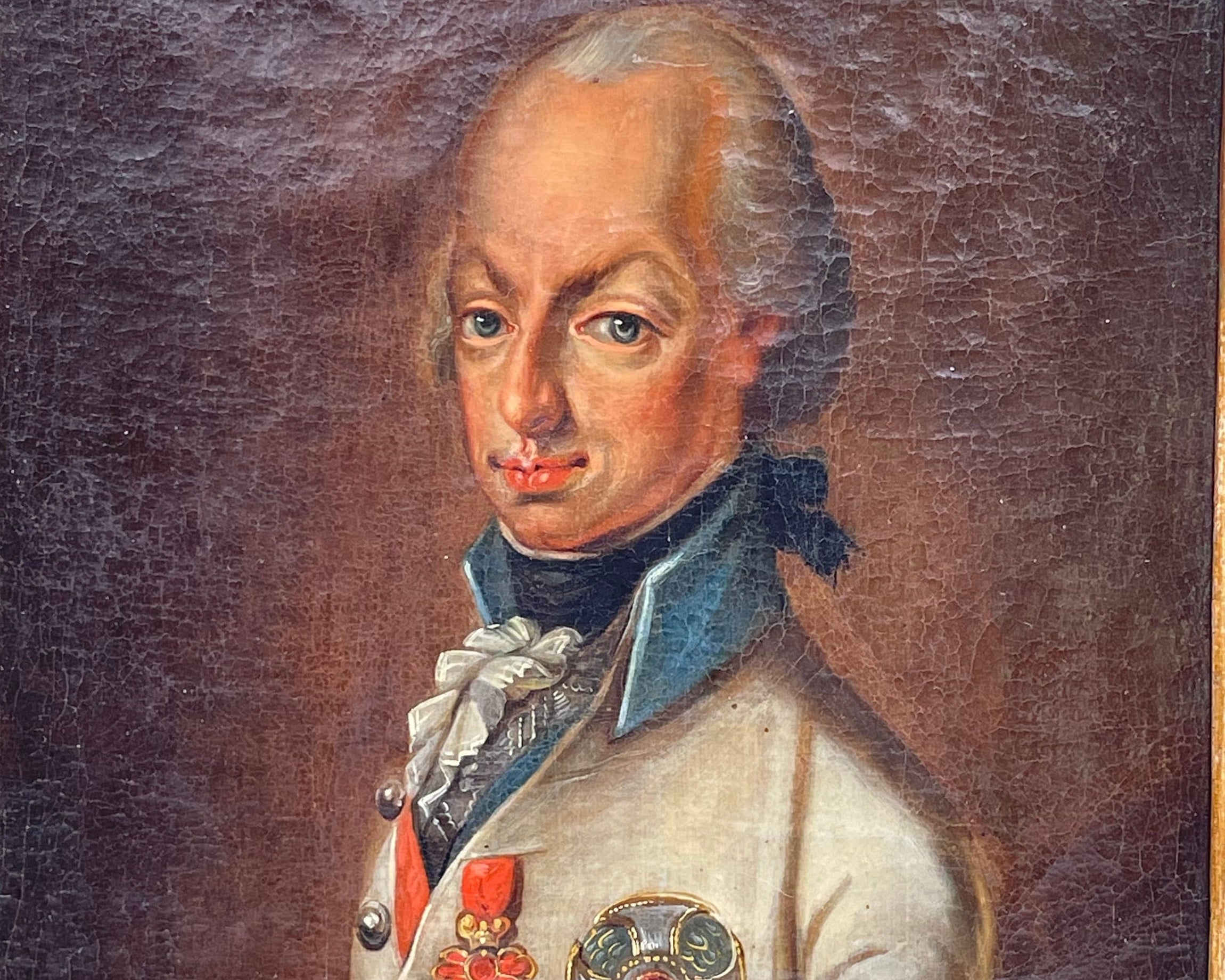
Collecting 18th-Century French Portraits
The century of the portrait: schools, sitters, and what makes an eighteenth-century French face worth acquiring.
Also in this series: Rigaud, Tocqué and the French Rococo Portrait · Portraits of Unknown Sitters · French Impressionist Portraits Beyond the Famous Names · Habsburg Portraits · Royal Portraits, Made to Be Copied
Browse our antique portraits →
Animal Painting
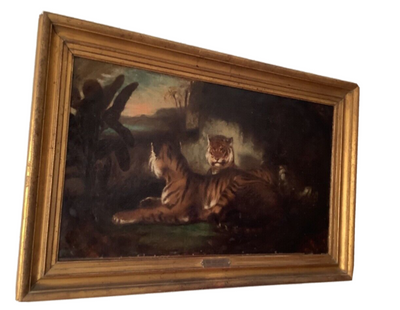
Animal Painting in 19th-Century France
From Delacroix's tigers to the farmyard: how France made the animal a serious subject.
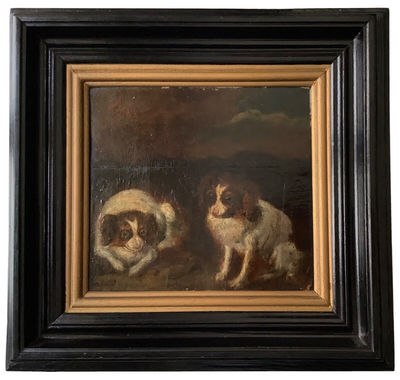
Collecting Antique Dog Portraits
People buy landscapes for the wall and dogs for the heart: the tradition, breed by breed.
Browse our antique animal paintings →
Sacred Subjects
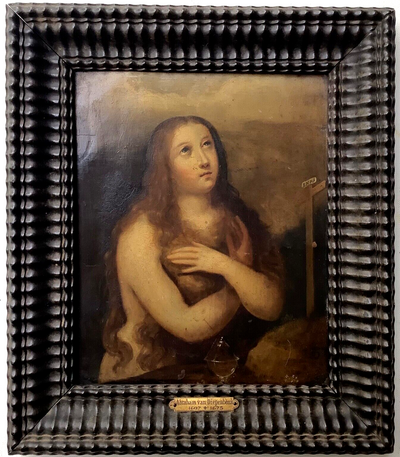
Mary Magdalene in Painting
The most human figure in sacred art, and why her image dominated European painting for four centuries.
Also in this series: Judith and Holofernes in Painting · Salome and the Head of John the Baptist · The Samaritan Woman at the Well
Browse our antique religious paintings →
Explore Further
The schools behind these guides are mapped in our Art Movements & Schools pages — the history behind each tradition — and the painters themselves in Painters & Their Masters, each with a full biography. New guides join this page as the collection grows.
Photographs of the paintings in our collection by GalerieClub Fine Art.