



Flemish School, 17th century
The Samaritan Woman, 1600s

Dutch School, early 18th century
Penitent Magdalene, 1700s

Dutch School, 18th century
Bouquet with a Butterfly, 1700s

Dutch School, circa 1700
Hen and Chicks, circa 1700Guides · before you buy
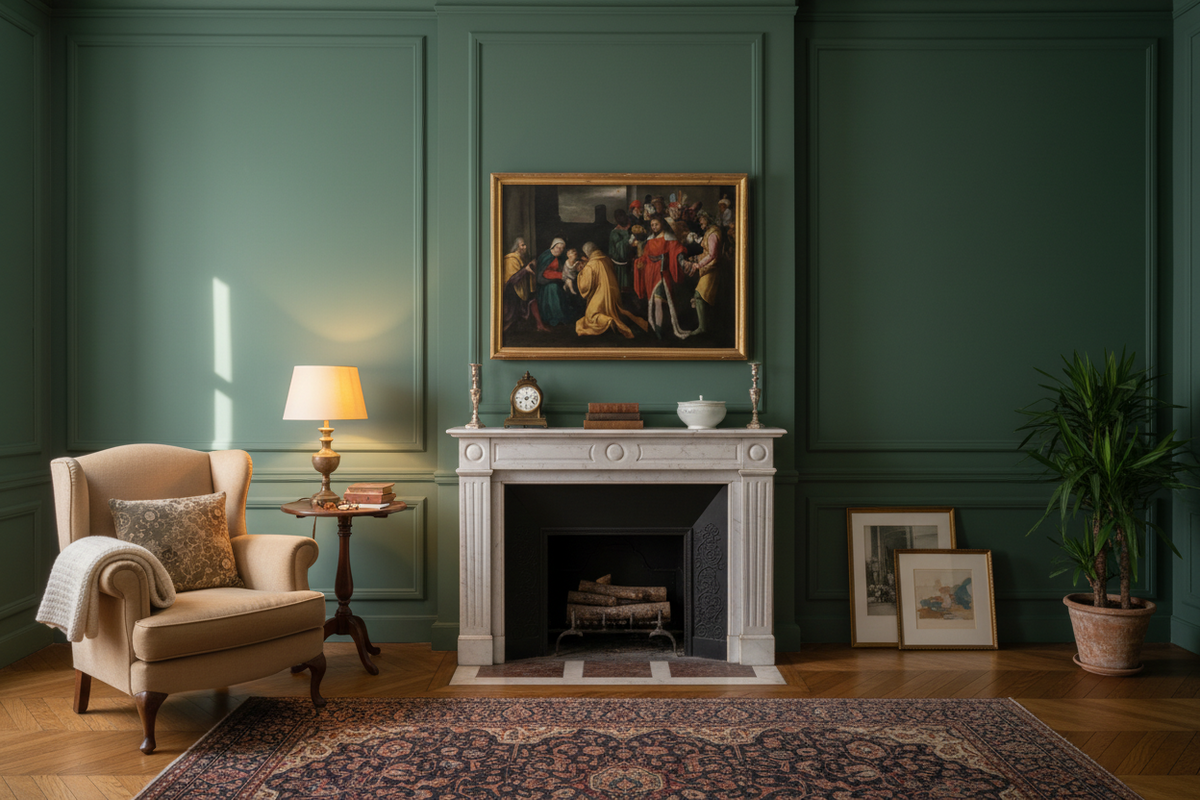
 Choosing an Antique Painting for Above the FireplaceThe mantel decides the painting before you do.Read the guide
 Period Copies After the Old MastersA photograph reproduces an image.Read the guide
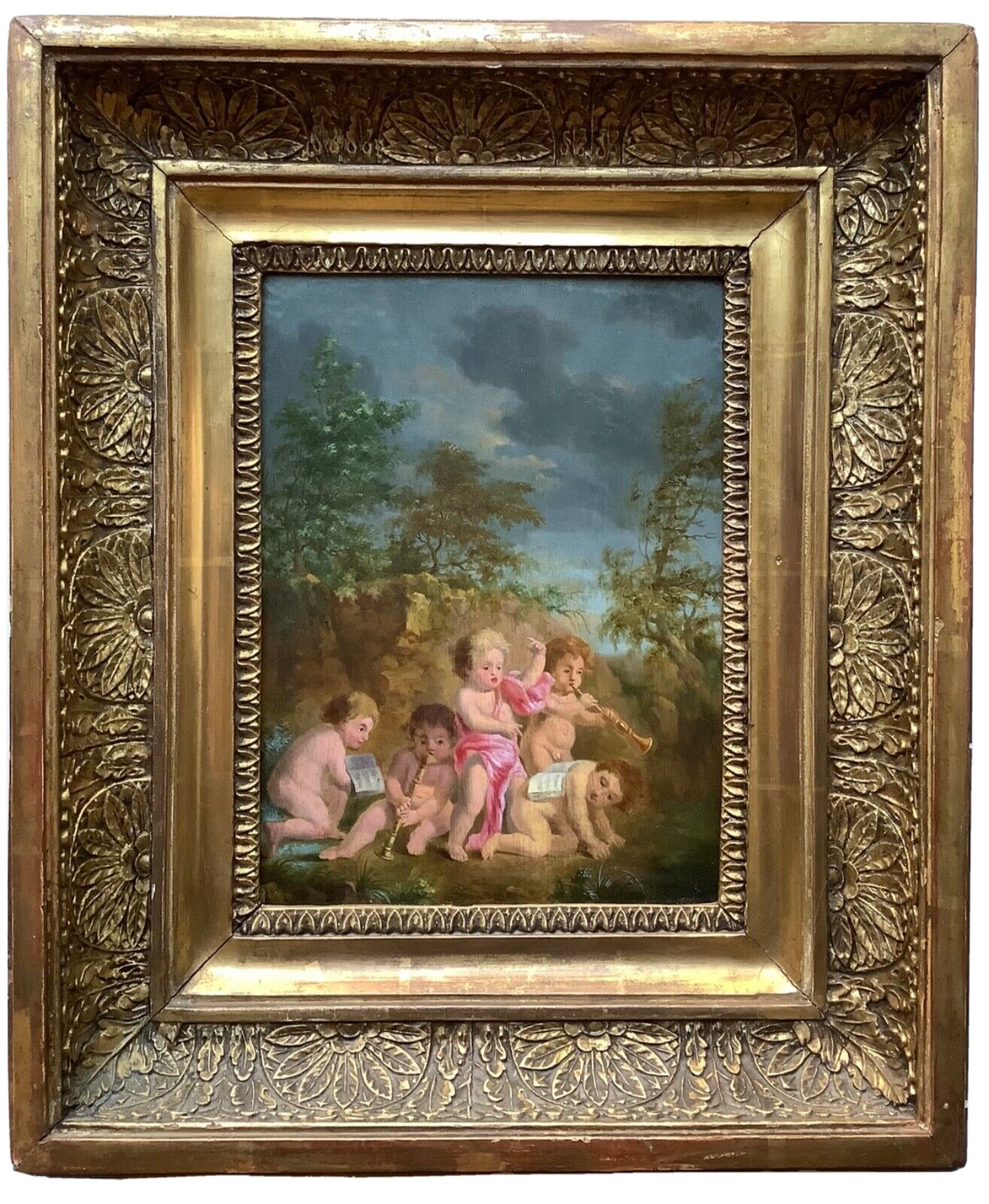
Flemish School, late 17th century
Concert of Putti, late 1600s

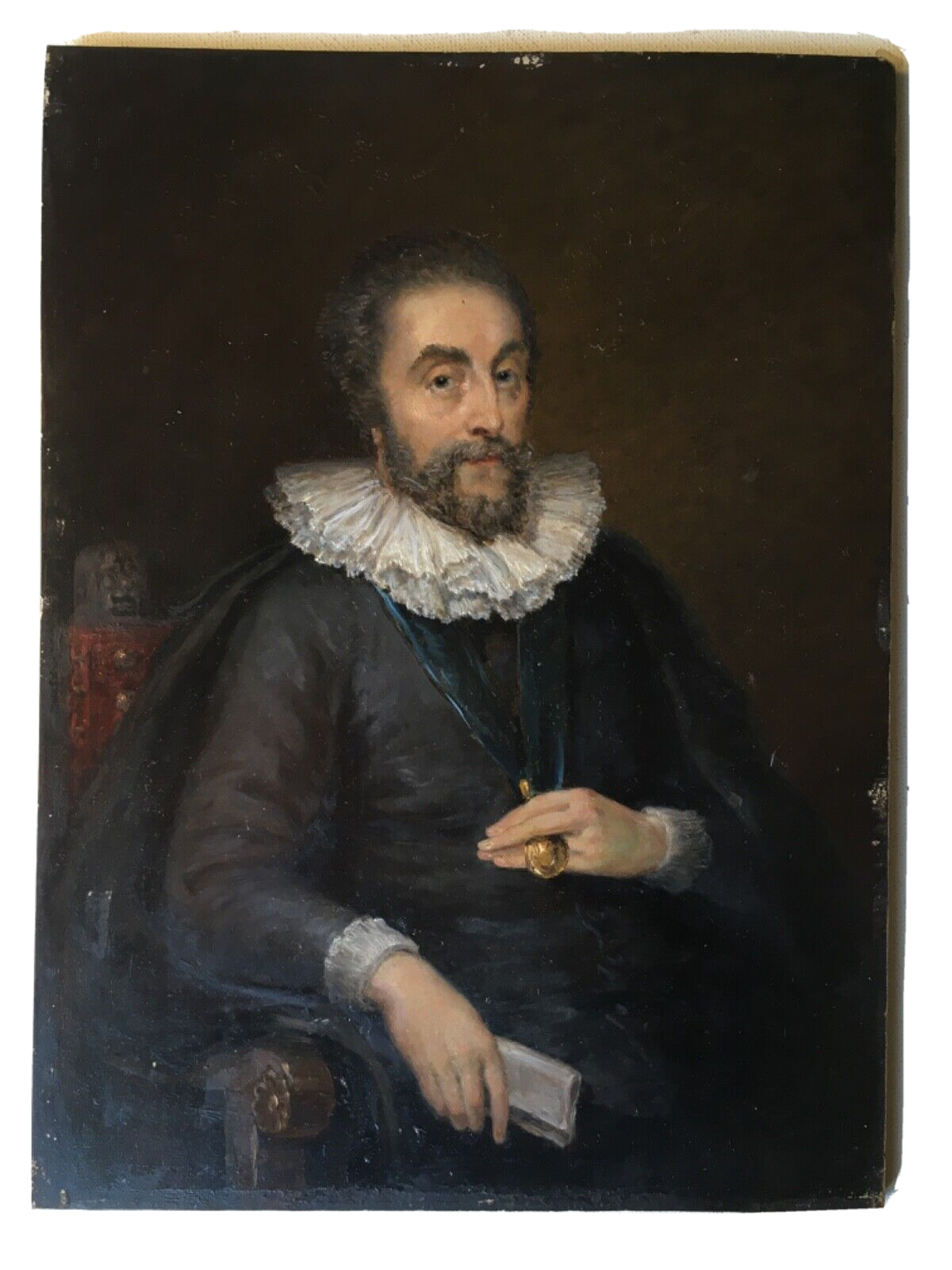
European School, 19th century
Earl of Arundel, after van Dyck

Flemish School, circa 1600
The Fire of Sodom, circa 1600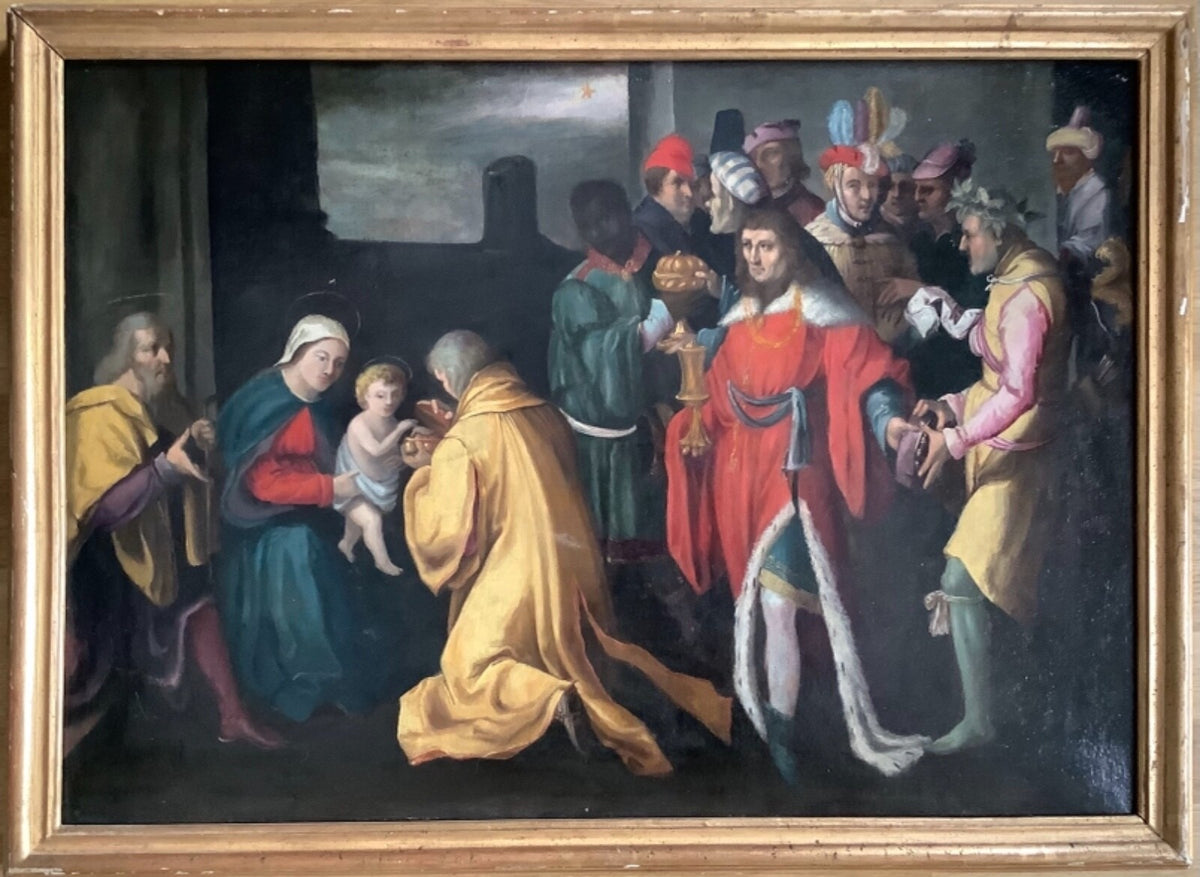
Flemish School, 17th century
Adoration of the Magi, 1600s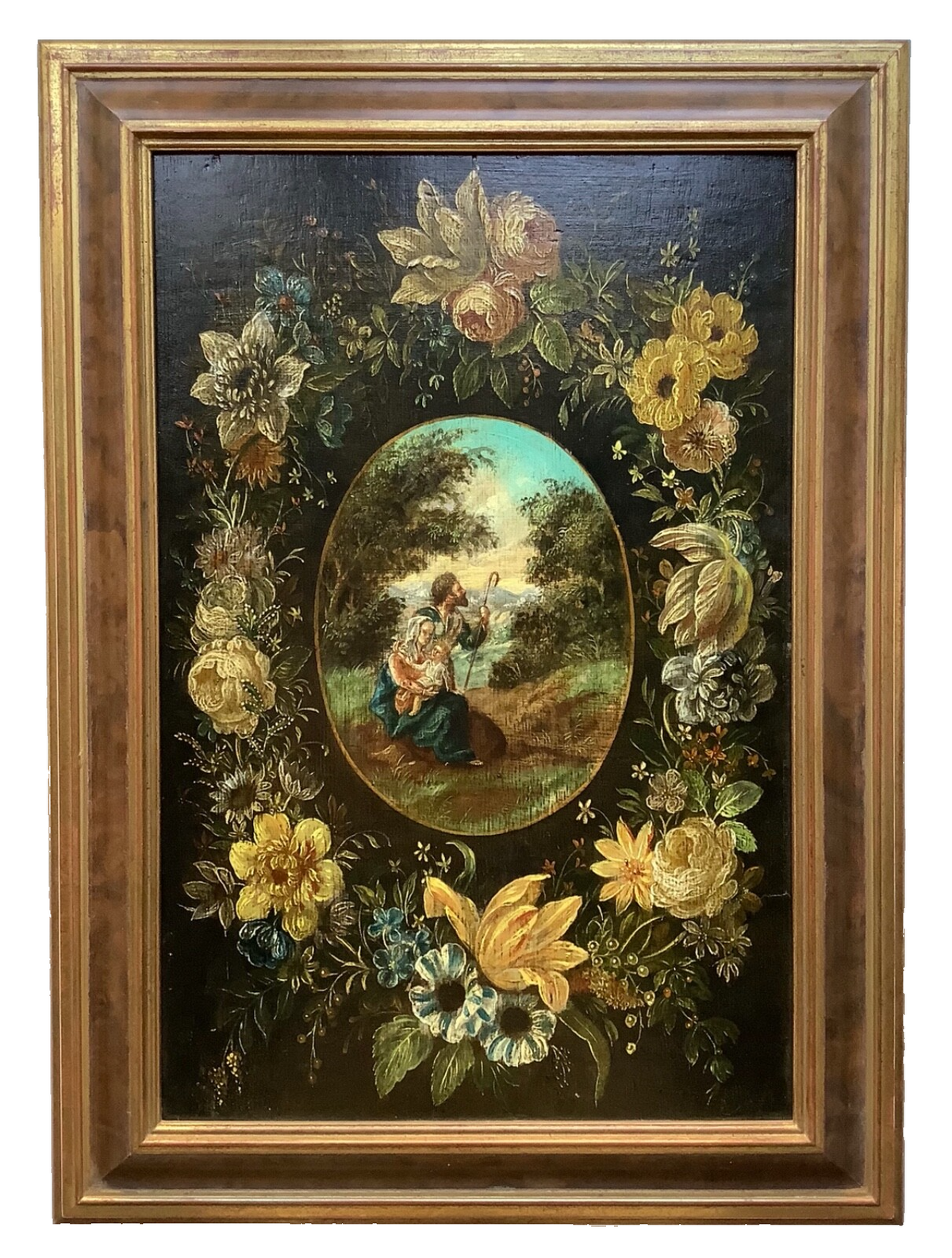
Flemish School, late 17th century
Rest on the Flight, late 1600s
GalerieClub Fine Art
1,100+
paintings sold since 2017
 Sold
 Sold
 Sold
Our promise
- Every painting photographed front and back
- The frame you see is the frame that ships
- Free tracked UPS Express Saver to the US


Antique Flemish and Dutch School paintings for sale at GalerieClub
Few painters looked as closely as those of the Low Countries. Workshops in Antwerp and the Dutch cities trained generations to render cloth, metal, flowers and skin at the smallest scale, and their manner spread across Europe long after the masters themselves had gone. A Flemish School oil painting or a Dutch School oil painting in this collection belongs to that long workshop tradition, painted between the 17th and the 19th century.
-
Antwerp painted on oak. Panel makers of the city supplied boards of Baltic oak, smooth enough to take the finest glazes, and many carried a guild mark on the back. Smaller devotional pictures went further, onto sheets of copper, whose hard surface keeps colour bright and detail sharp for centuries. A 17th century Flemish painting on oak panel often keeps its original joins and battens, and the reverse can date the picture when the style cannot. Biblical scenes, the Holy Family and penitent saints were the subjects these supports served most, and several appear in our collection of antique religious paintings.
-
The Baroque in Flanders was crowded and alive. A Flemish Baroque oil painting fills its surface with movement, garlands of flowers framing a sacred scene, putti making music in a landscape, figures turning in a burning city, and it builds its light in thin layers over a pale ground. Workshops often divided the work, one painter for the figures and another for the flowers or the landscape.
-
Dutch painters made the ordinary worth looking at. A flower piece gathered blooms from different seasons into one glass vase, often with a butterfly or a drop of water to show off the painter's hand, and an antique Dutch still life kept that language well into the 18th century. Farmyard scenes did the same for the life of the land, hens, chicks and a windmill painted with the care of a portrait.
-
Most Old Master paintings of the Low Countries carry no signature. The workshops were large, pupils painted in the master's style, and copyists reproduced the most admired compositions for patrons across Europe. Circle of places a painting close to a master and his time, manner of describes a style followed later, and after marks a copy of a known work, as in our collection of paintings after the Old Masters. Our guide to reading an attribution explains each formula.