



French School, circa 1800
Eliezer and Rebecca at the Well

Italian School, 17th century
Ecce Homo, 1600s

French School, 19th century
Assumption of the Virgin, 1881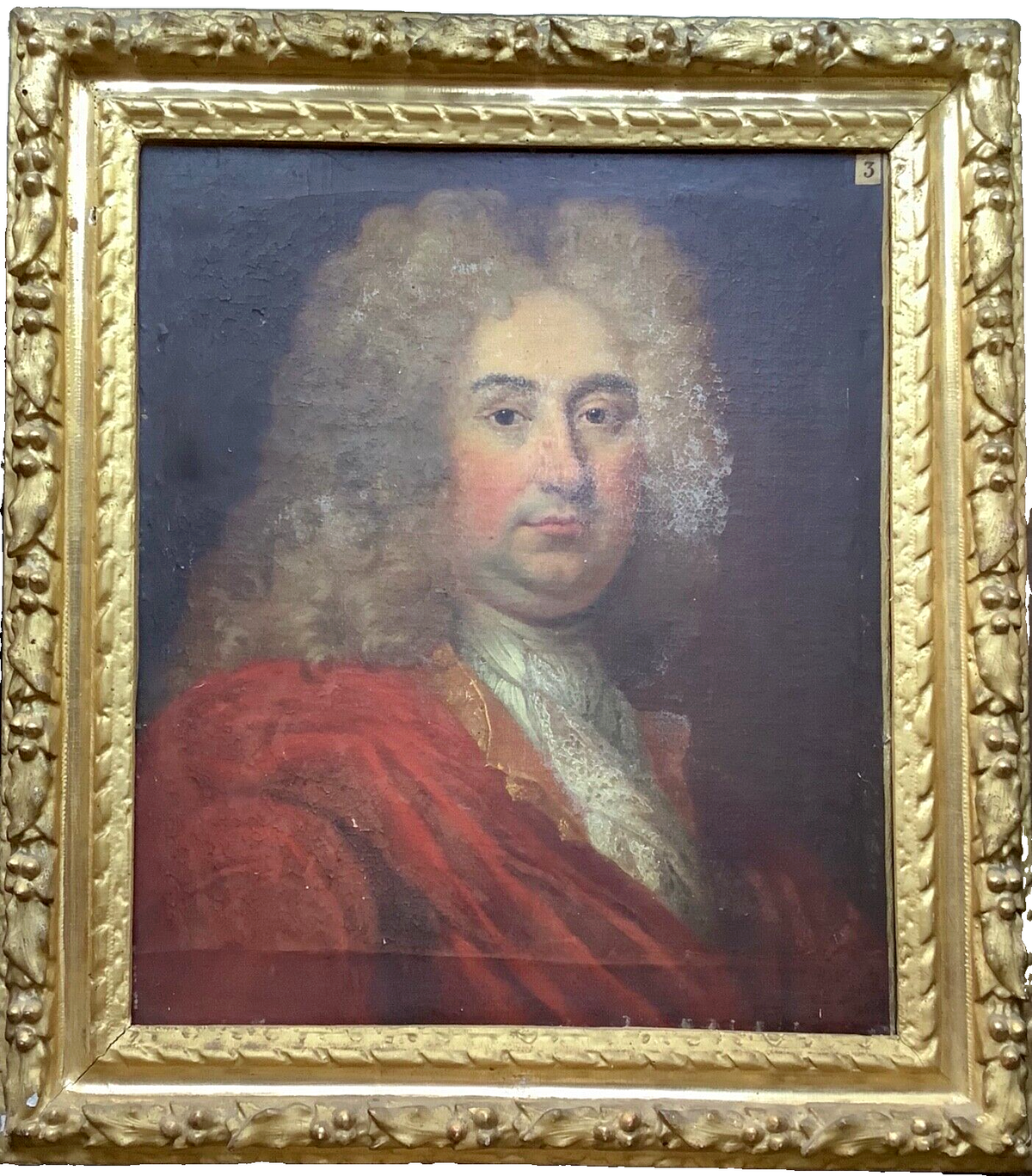
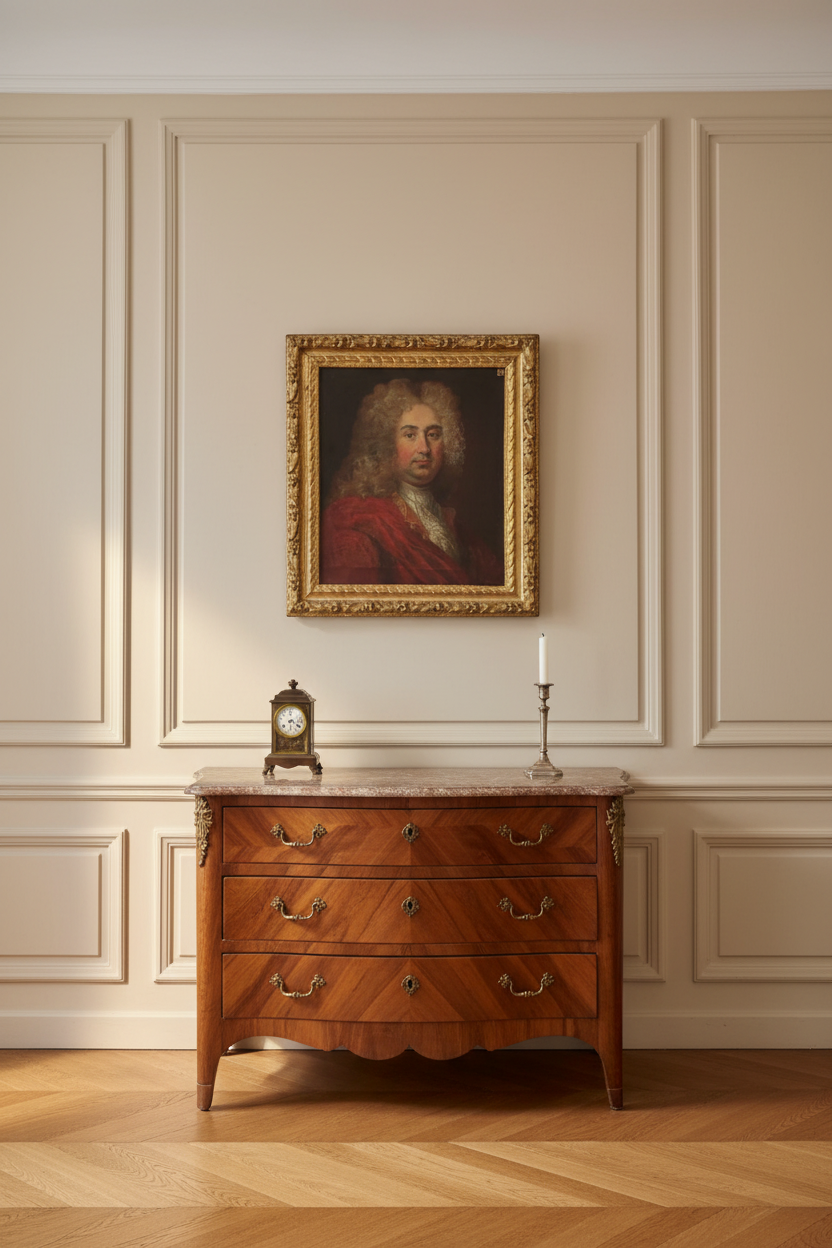
French School, 18th century
Gentleman in a Red Coat, 1700sGuides · before you buy
 How to Read Signatures and Inscriptions on Antique PaintingsA signature is a clue, not a verdict.Read the guide
 Relined, Restored, Craquelure, Understanding ConditionCraquelure is not damage and relined is not a defect.Read the guide
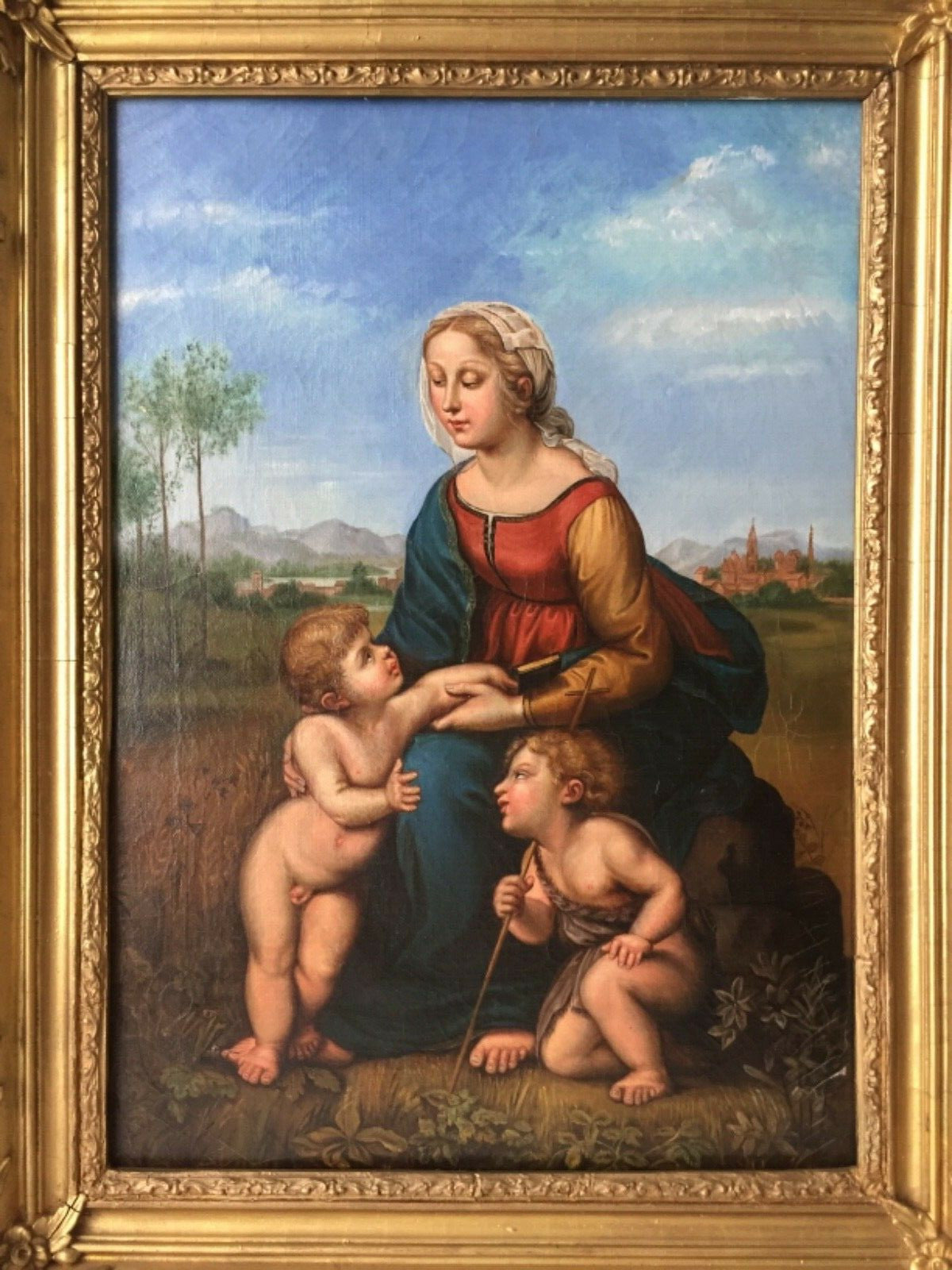
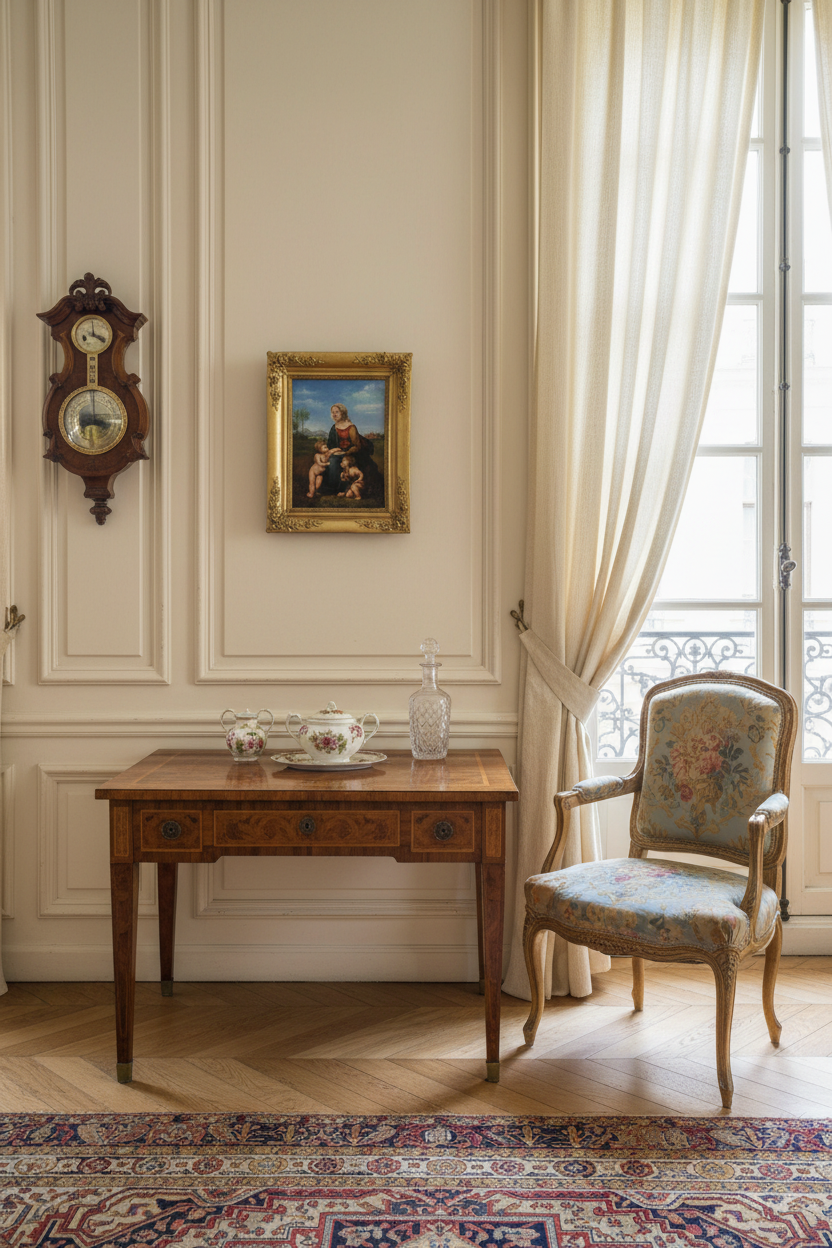
European School, 19th century
Madonna after Raphael, 1800s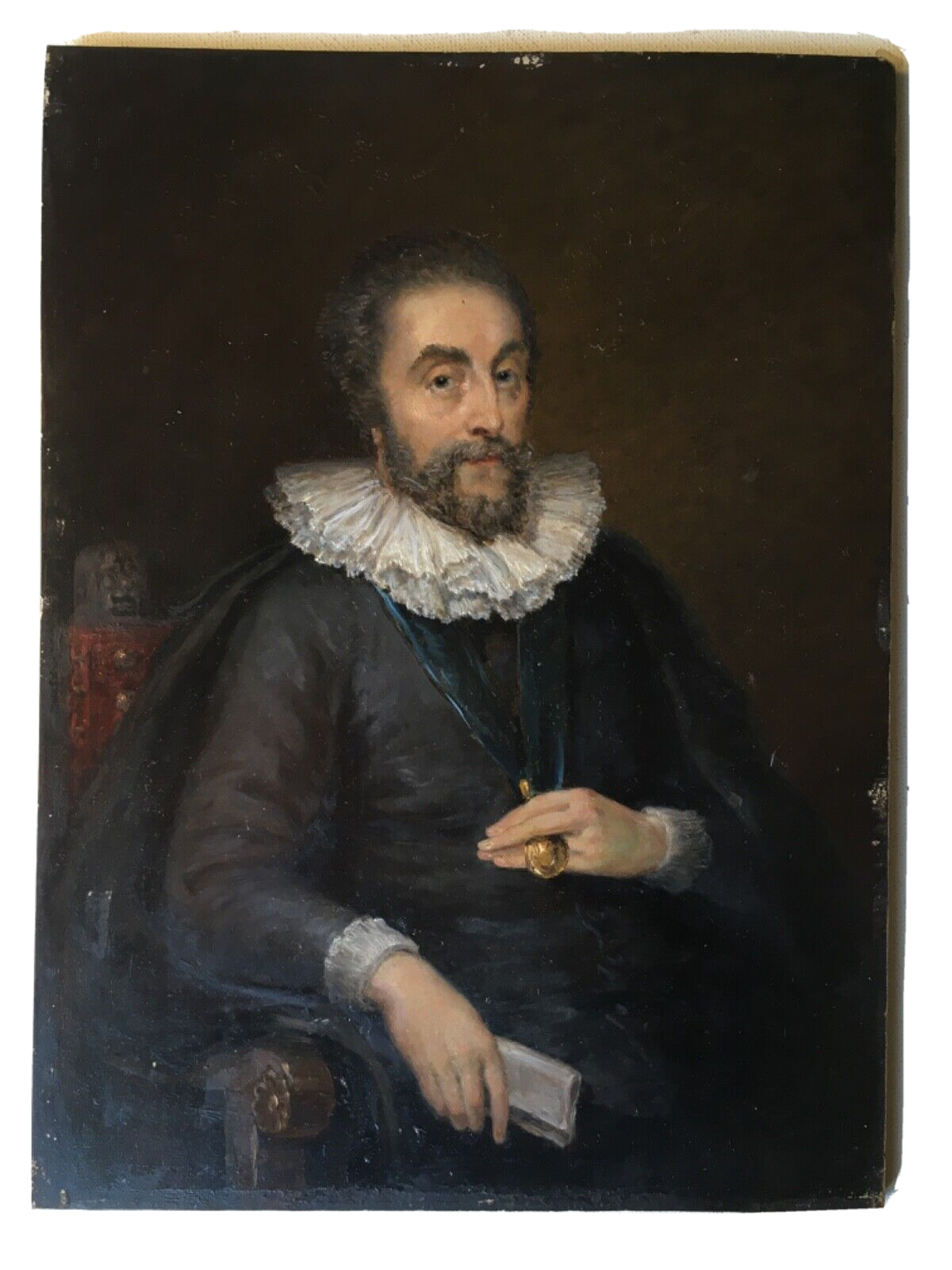
European School, 19th century
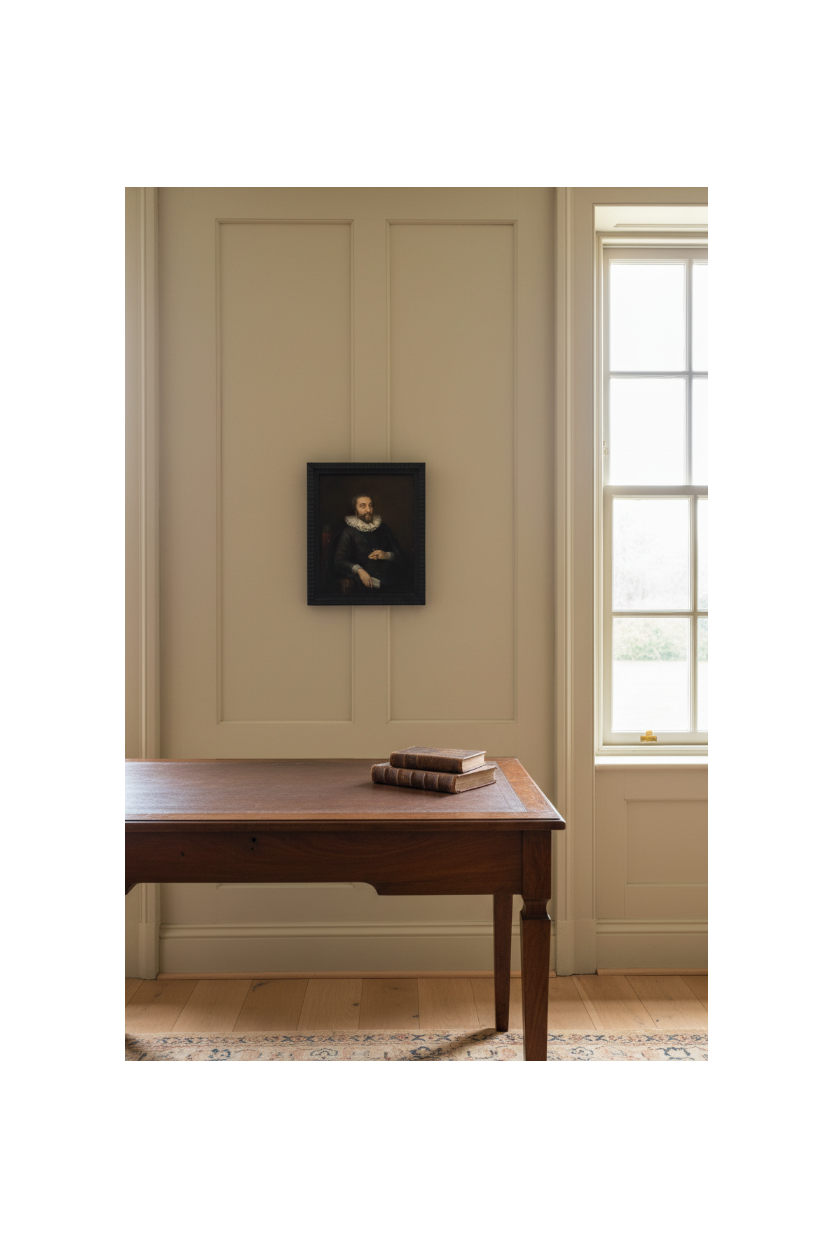
Earl of Arundel, after van Dyck
GalerieClub Fine Art
1,100+
paintings sold since 2017
 Sold
 Sold
 Sold
Our promise
- Every painting photographed front and back
- The frame you see is the frame that ships
- Free tracked UPS Express Saver to the US
Elsewhere in the gallery
Period copies after the Old Masters for sale at GalerieClub
For centuries, copying was how a painter learned his trade. Students worked in front of the great altarpieces and portraits, and trained copyists painted versions for patrons, churches and families who wanted a famous image of their own. An antique painting after an Old Master comes out of that tradition. It is an original painting of its own century, with its own hand, its own canvas and its own history.
-
Every century copied differently. A 17th century period copy was often made within a few generations of the original, while the composition was still famous and prints had spread it across Europe. In the 18th and 19th centuries, copyists worked in the great museums once they opened to the public, and a 19th century copy of an Old Master painting often shows the scale and the colour of the original as it hung on a gallery wall. Some copyists signed or dated their work, most did not.
-
Religious compositions were the most copied of all. A parish church, a convent or a private chapel that could never commission a great master could still own his image, and an antique religious painting after an Old Master carried the Virgin, the saints and the scenes of Scripture far from the altar they were painted for. Many of these copies were made to be prayed before, not to be collected.
-
A famous portrait was a model to follow. Court likenesses were copied for relatives, officials and admirers, and portraitists taught their pupils by setting them to reproduce the master's heads. An antique portrait copy after an Old Master follows the pose, the costume and the lighting of its model, while the handling belongs to the copyist. Some copies were painted on wood panel as well as canvas.
-
The word is precise. After means that a painting follows a known composition by a named master, but was painted by another hand, and it claims nothing more. Each copy here is described that way, in the cautious terms of the trade, and our guide to reading an attribution sets it beside circle of and follower of.