

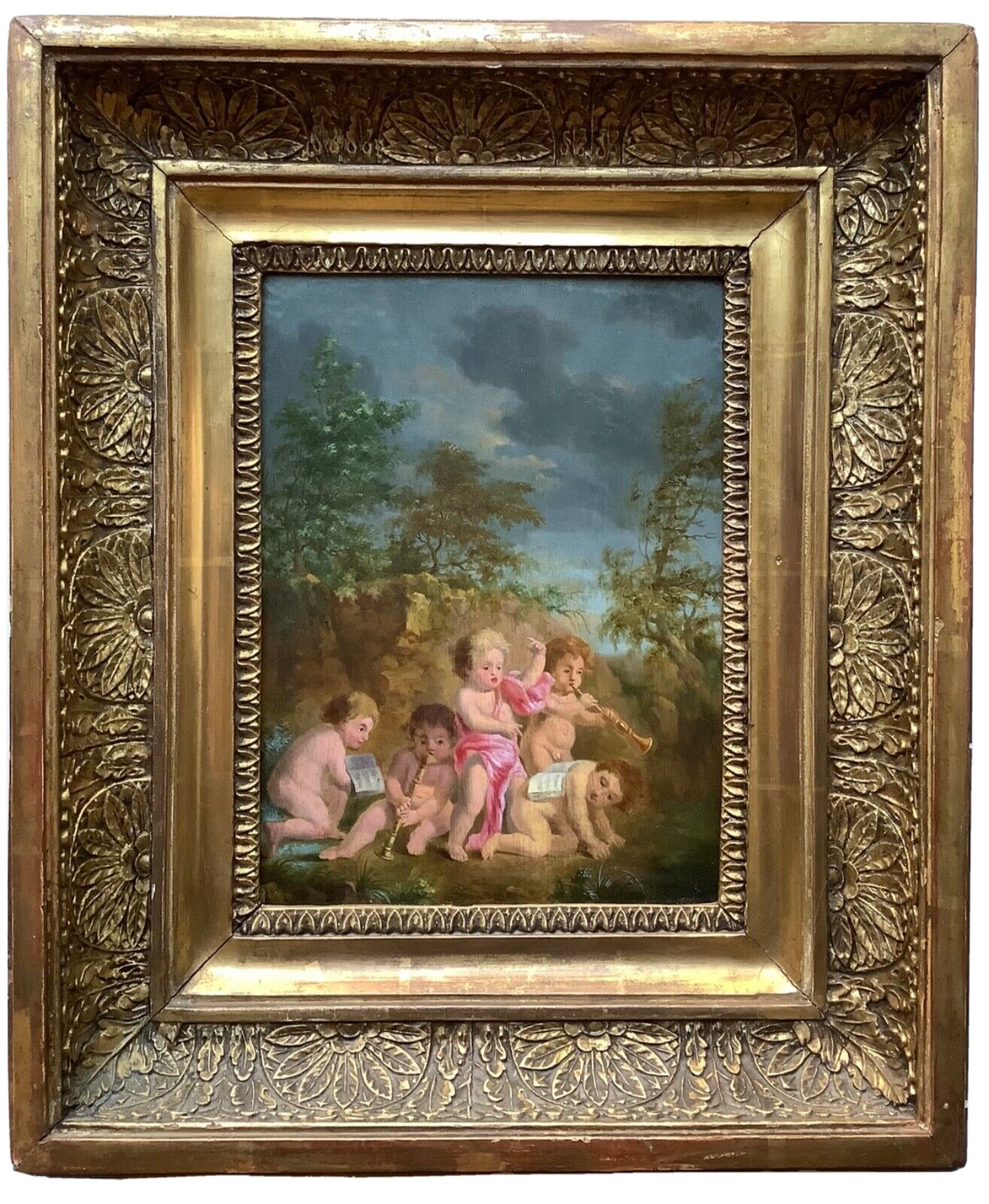
Flemish School, late 17th century
Concert of Putti, late 1600s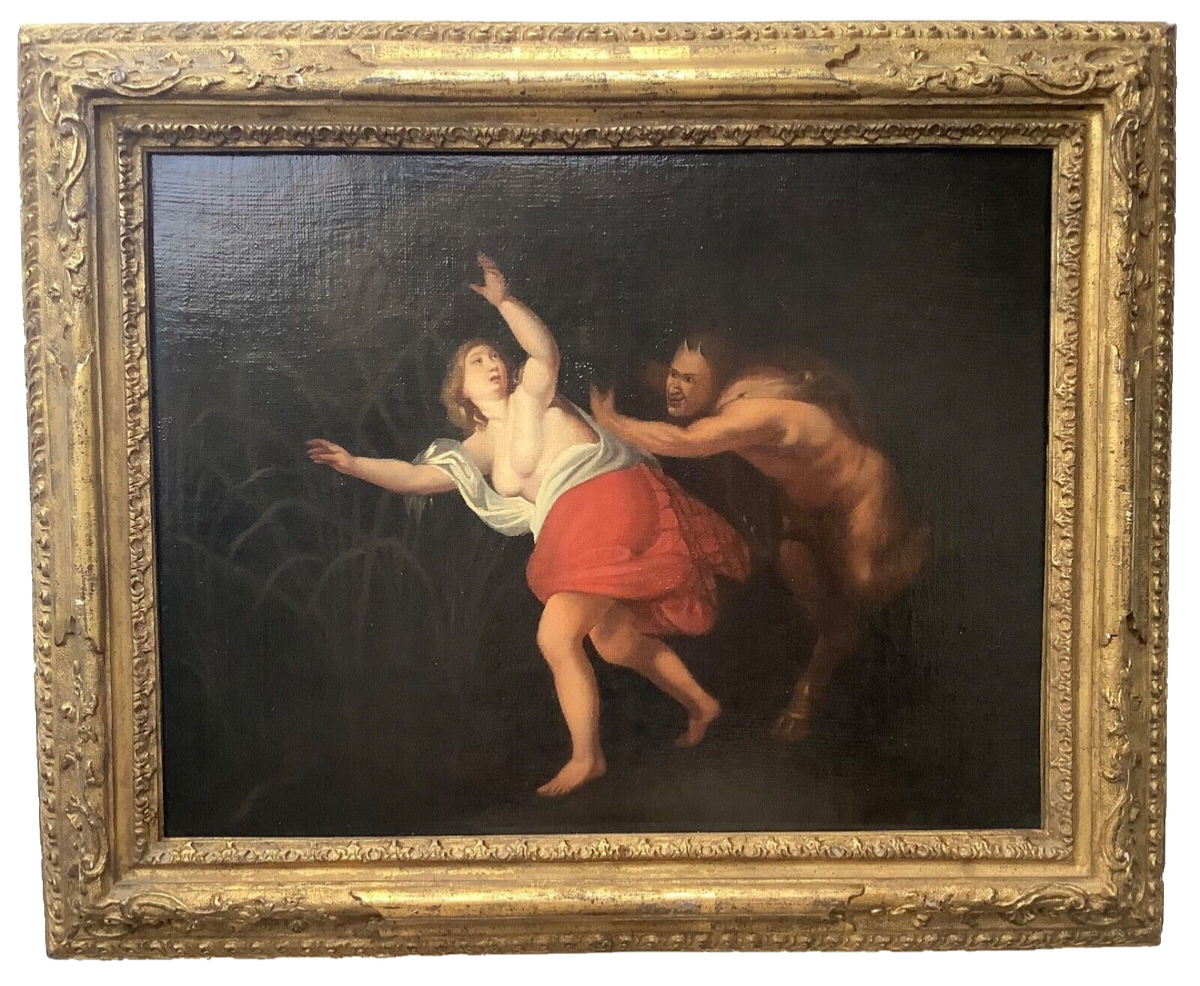
Italian School, 18th century
Pan and Syrinx, 1700s

French School, 17th century
Allegory of Winter, 1600s

French School, late 17th century
Gallant Couple in a GardenGuides · before you buy
 How to Read Signatures and Inscriptions on Antique PaintingsA signature is a clue, not a verdict.Read the guide
 Relined, Restored, Craquelure, Understanding ConditionCraquelure is not damage and relined is not a defect.Read the guide


French School, 17th century
Allegory of Autumn, 1600s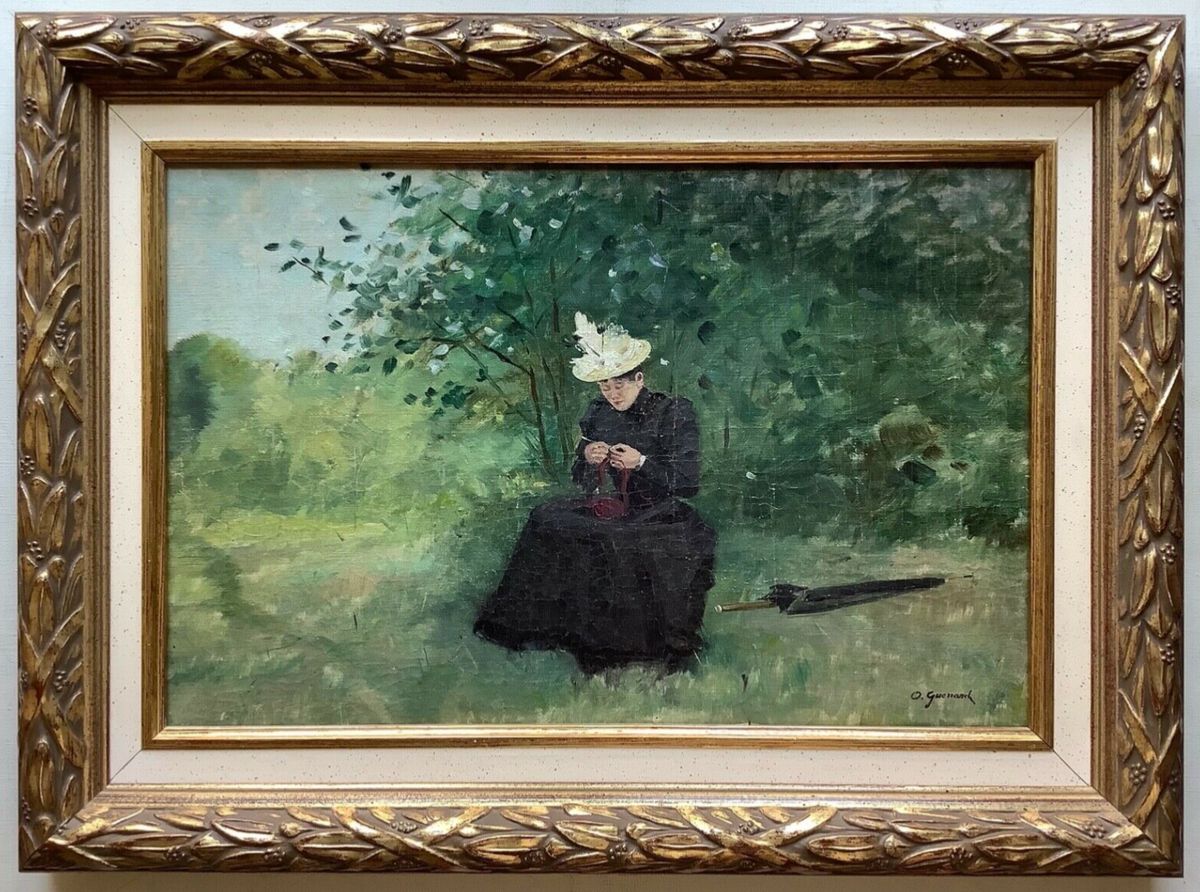
Octave Guénard (1845-1934)
Woman Knitting in a Park, 1800s

Louis Lassalle (1810-1870)
Young Woman Gathering Roses

French School, 18th century
The Fortune Teller, 1700s
GalerieClub Fine Art
1,100+
paintings sold since 2017
 Sold
 Sold
 Sold
Our promise
- Every painting photographed front and back
- The frame you see is the frame that ships
- Free tracked UPS Express Saver to the US
Elsewhere in the gallery
-
 Subject
Antique Animal PaintingsDogs, farmyards and the hunt10 for sale
-
 Subject
Antique Landscape PaintingsFields, rivers, forests and heaths17 for sale
-
 Subject
Antique Portrait PaintingsLadies, gentlemen and officers25 for sale
-
 Subject
Antique Religious PaintingsSaints and scenes from the Bible14 for sale
- The questionsHow to Collect Antique Paintings


Antique genre scene paintings
Most of these paintings show no one in particular. Antique genre paintings put ordinary people at the centre of the picture, walking in a park, gathering flowers, having a fortune told, and they did it for centuries while the academies ranked such subjects below history and myth. The works in this collection were all painted more than a century ago, most of them oils on canvas or panel.
-
A garden gave painters a stage. Couples meet among hedges and statues, flowers change hands, and a gesture stands in for a declaration that no one in the picture says aloud. French painters of the early 18th century called these subjects fêtes galantes, and the antique courting scene painting kept their language long after the fashion passed.
-
A season could be a person. Spring carried flowers, summer a sheaf, autumn grapes and fruit, winter a brazier or a heavy cloak, and painters set these figures in a landscape that matched them. An allegory of the seasons painting was often made as one of a set of four, to hang together in a single room.
-
The 18th century liked a moral with its pleasure. A fortune teller painting could show a pretty scene and a warning at once, since the palm reader's companion was often busy with a purse. By the 19th century the tone had softened. A 19th century genre painting shows a woman knitting in a park or gathering roses, quiet leisure painted for its own sake.
-
Genre never fully separated from myth. Nymphs, satyrs and winged putti borrowed the settings of ordinary life, a woodland, a concert, a meal outdoors, and an antique mythological painting of this kind hangs comfortably beside a scene of everyday life. Both were painted to be read as well as seen.
Some works are signed, others are described by school and period, as our guide to reading an attribution explains.