Original, Copy, or After: What Old Master Copies Are Worth
To view our collection of antique paintings
Part of our practical guides for collectors in our Collecting Guides. See also our pillar guide to Collecting 18th-Century French Portraits and our guide to Understanding Condition.
Before photography, there was exactly one way to own the image of a famous painting: someone had to paint it again, by hand, in oil. For four centuries, copying was not a shady corner of the art world but one of its central activities. Students trained by copying in the Louvre and the Vatican. Courts commissioned copies of dynastic portraits for embassies. Churches ordered copies of celebrated altarpieces. Grand Tourists brought home hand-painted records of the masterpieces they had seen in Rome. The result is a vast surviving population of period copies, and a market that prices them, in our view, more cheaply than it should. This guide explains what the word "after" really means on a label, and how to buy in this field with open eyes.
What "After" Means
In standard attribution language, "after Raphael" or "after Van Dyck" means: a copy of a known composition by that master, made by another hand, usually later. It is the most modest rung of the attribution ladder we explain in our pillar guide to 18th-century portraits, below "studio of," "circle of" and "follower of." The label is honest by design: nobody is claiming the master touched the canvas. What is being sold is a period painting of a famous image.
The one line that must never be crossed is deception. A copy honestly described is a legitimate historical object. A copy sold as an original is a fraud. The entire value of this field rests on accurate labeling, which is why the vocabulary matters and why we use it strictly.
Why Copies Were Made, and by Whom
It is worth insisting on who painted these things. Copying a Raphael Madonna or a Van Dyck portrait convincingly requires full professional training: drawing, color, glazing technique, the lot. Academic systems across Europe made copying the core of that training, and museums ran formal copyist programs; the Louvre's registers of authorized copyists read like a who's who of 19th-century painting, and artists from Degas to Cezanne spent their student years copying the masters. Many surviving copies were made by exactly such hands: skilled professionals, working before the great originals themselves.
Others were made on commission. Royal portraits were copied by the dozen for official buildings, a tradition we describe in our guide to Rigaud and the French court portrait. Devotional images were copied for parish churches and private chapels. None of this was imitation in the negative sense; it was the image economy of a world without reproduction.

From our collection: Madonna and Child with St. John the Baptist, After Raphael
A 19th-century oil copy of one of the most beloved compositions in Western art. Raphael's Madonnas were the single most copied images of the entire copying tradition: owning a good one meant owning, in the only way then possible, a piece of the High Renaissance.

From our collection: The Assumption of the Virgin, After Nicolas Poussin, Dated 1881
A dated copy after Poussin, painted in 1881, almost certainly by a trained copyist working in front of the original. The date is a small gift to the collector: it anchors the painting in the great age of the Louvre copyist tradition.
How the Market Prices Copies
The market applies a simple, brutal logic: the copy carries the decorative and historical value of the image, without the scarcity value of the master's hand. In practice, that means a well-painted period copy sells for a small fraction of even a minor original by the same master's circle, while delivering most of what a collector actually lives with: the composition, the scale, the presence on the wall.
Three factors move the price within the field. Age: a 17th or 18th-century copy, made close to the original's own era, is worth more than a late 19th-century one, and is treated by the trade as an Old Master painting in its own right. Quality: copies range from workshop routine to virtuoso; the painting must be judged on its own execution. Subject: copies of universally famous images hold value best, because the recognition is the point.

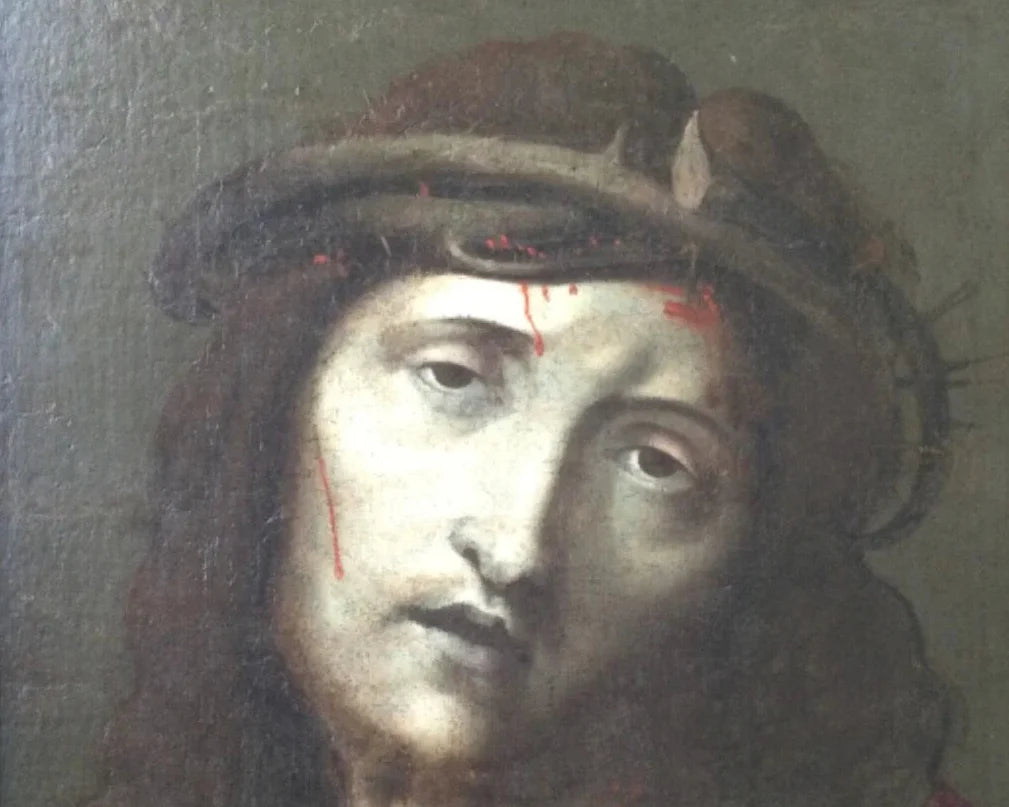
From our collection: Ecce Homo, After Correggio, 17th Century
A copy with three centuries of its own: this Ecce Homo after Correggio was painted in the 17th century, within living memory of the Baroque world that revered the original. Copies of this age are period Old Master paintings, collected and cataloged as such.

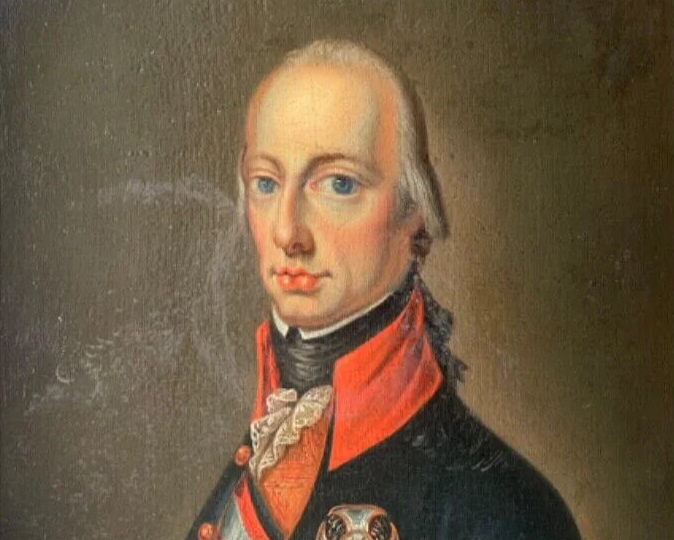
From our collection: Portrait of Lord Thomas Howard, After Anthony van Dyck
A 19th-century Dutch copy on panel of a Van Dyck portrait. Van Dyck defined the European aristocratic portrait for two centuries, and copies of his sitters were prized furnishings of houses that aspired to that tradition.
How to Buy a Copy Well
Buy the execution, not just the image. Stand close: is the brushwork confident, the drawing sound, the color alive? A good copy is a good painting.
Prefer age and honesty. Period materials, honest craquelure, an old relining: the same condition logic applies as for any old painting, and our condition guide covers it in full.
Know the original. Ten minutes of looking up the source composition tells you what the copyist kept, changed or simplified, and deepens the pleasure of owning the object.
Pay copy prices. The label "after" exists to protect you. It should be reflected plainly in what you pay, and a seller who uses the vocabulary correctly is showing you their standards.
Read More in Our Practical Guides
Continue with Relined, Restored, Craquelure: Understanding Condition in Antique Paintings and How to Read Signatures and Inscriptions, or see the attribution vocabulary in full in our pillar guide to 18th-century French portraits.