Collecting guides
RSS feed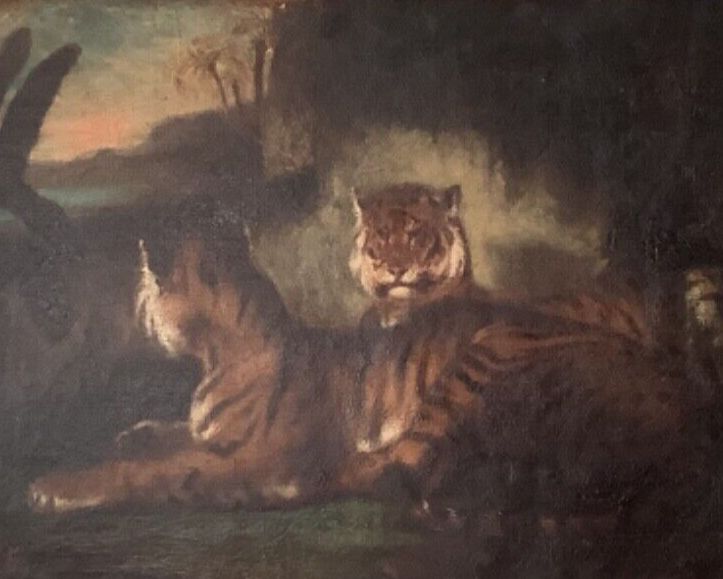
Animal Painting in 19th-Century France
Delacroix's tigers, Bonheur's herds, the hunt and the farmyard: how France made animal painting a serious genre, and where the value sits today.
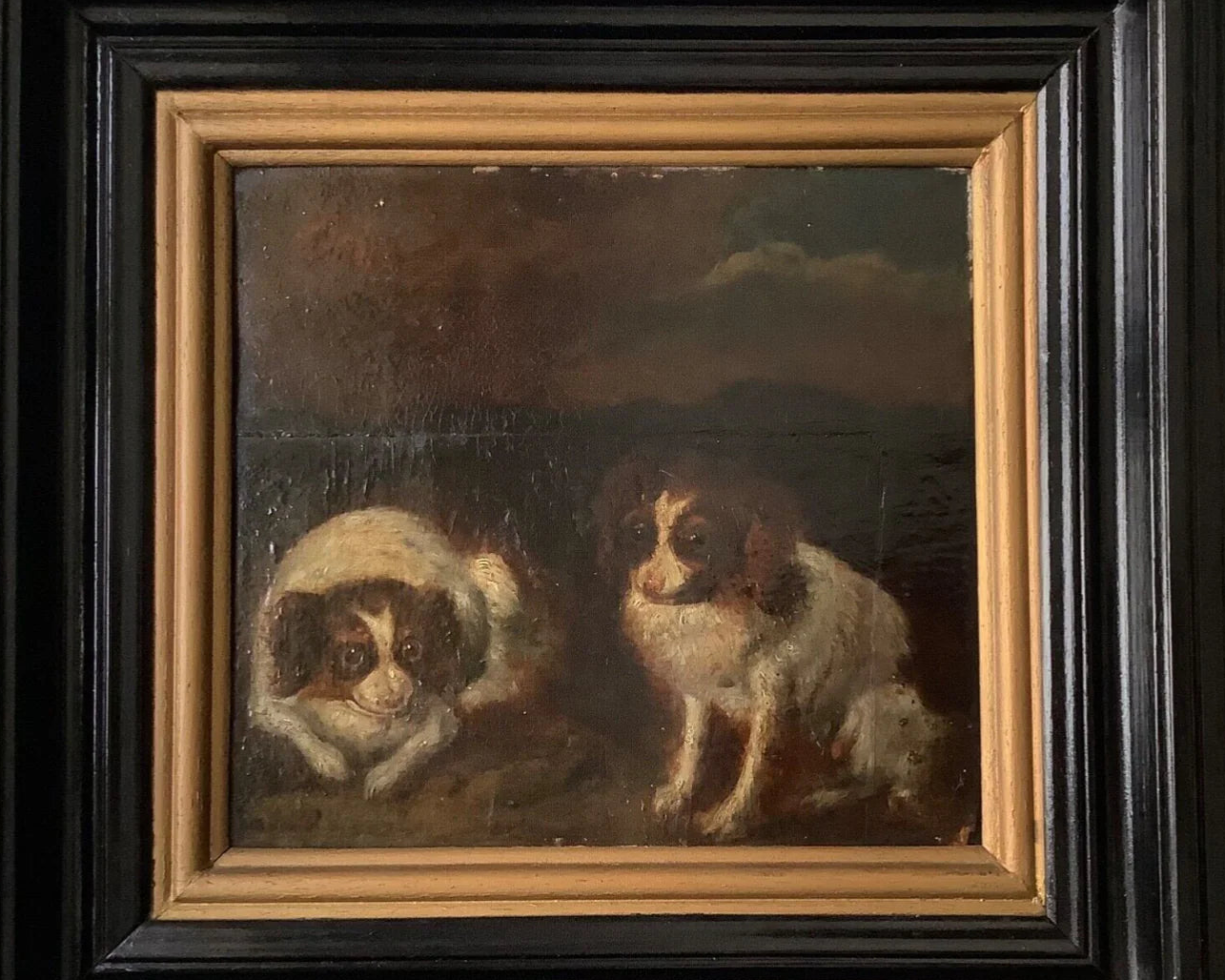
Collecting Antique Dog Portraits
People buy landscapes for the wall and dogs for the heart. The tradition from Oudry to Landseer, collecting by breed, and how to judge a painted dog.
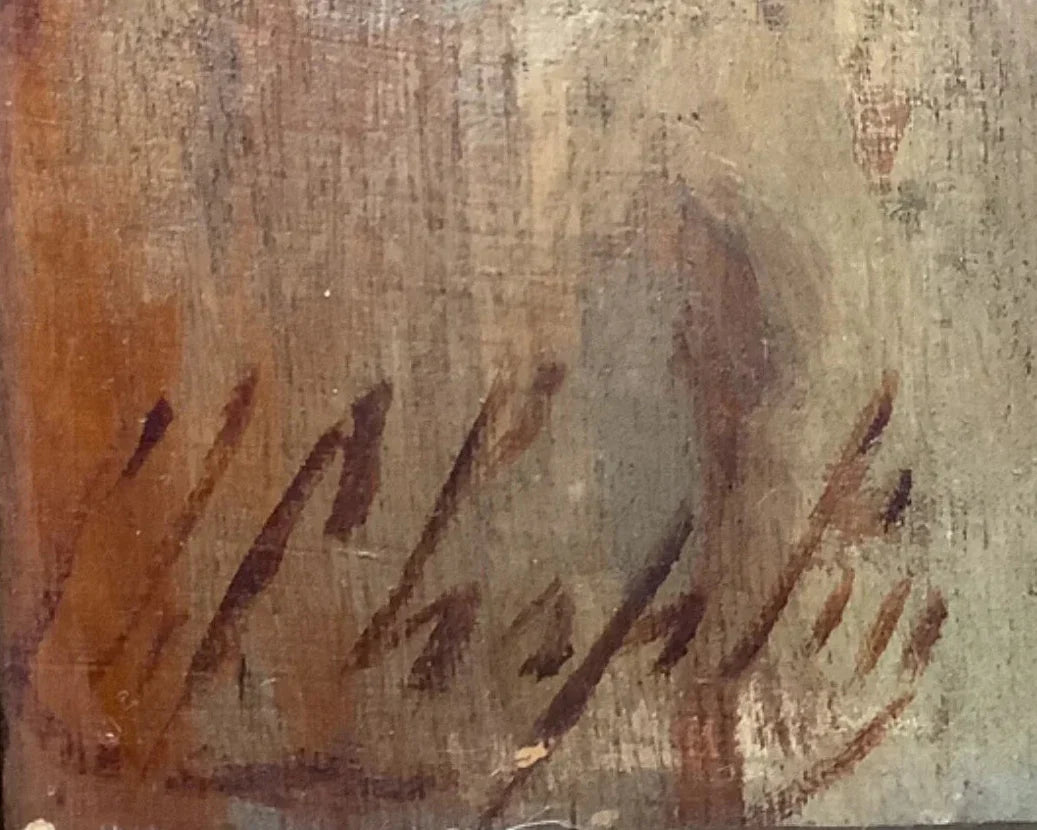
How to Read Signatures and Inscriptions on Antique Paintings
A signature is a clue, not a verdict. Where to look, how to read monograms and dates, and the red flags that separate real signatures from added ones.
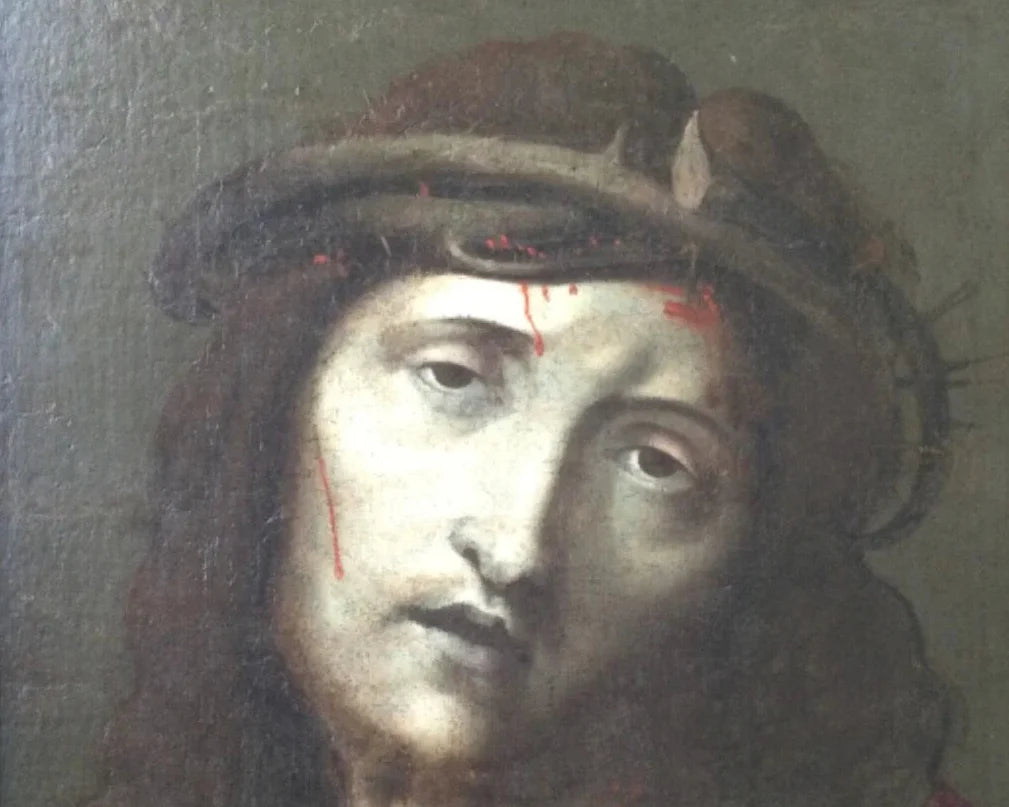
Original, Copy, or After: What Old Master Copies Are Worth
Before photography, a copy was the only way to own a famous image. Why period copies were made, who painted them, and how the market values them today.
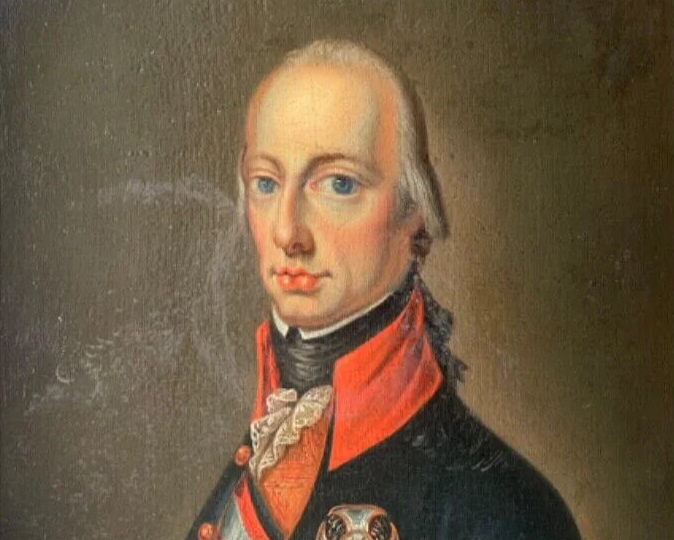
Relined, Restored, Craquelure: Understanding Condition in Antique Paintings
Craquelure is not damage and relined is not a defect. What condition terms really mean on a painting that has survived two centuries, and how to judge them.
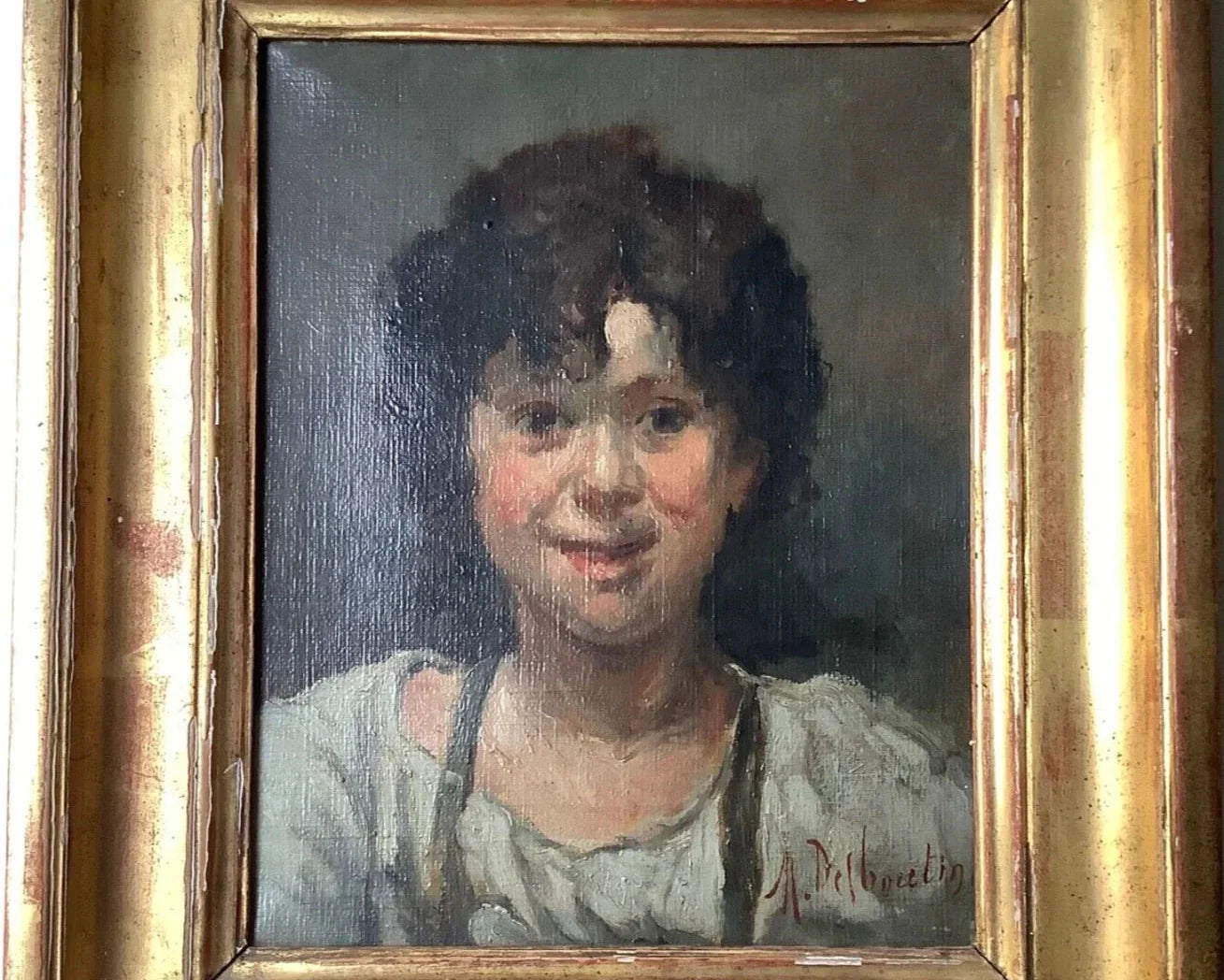
French Impressionist Portraits Beyond the Famous Names
The man in Degas's L'Absinthe was a painter too. Collecting the portraitists who worked beside the famous names, from Desboutin to the Belle Epoque.
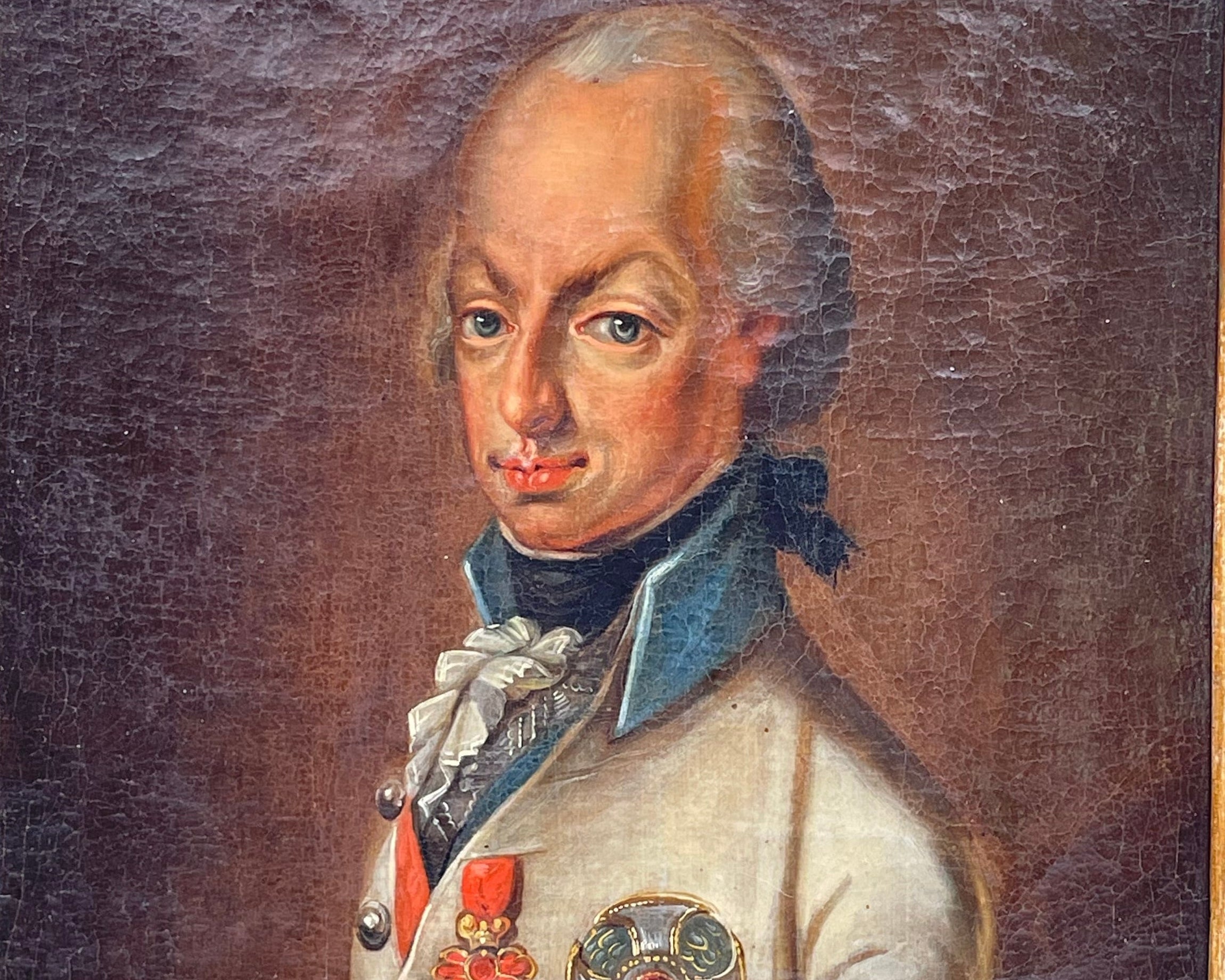
Habsburg Portraits: Collecting Austrian Imperial Portraiture
Emperors, hussars and officials of the Vienna court: why Habsburg portraiture is one of the most distinctive and affordable niches in portrait collecting.
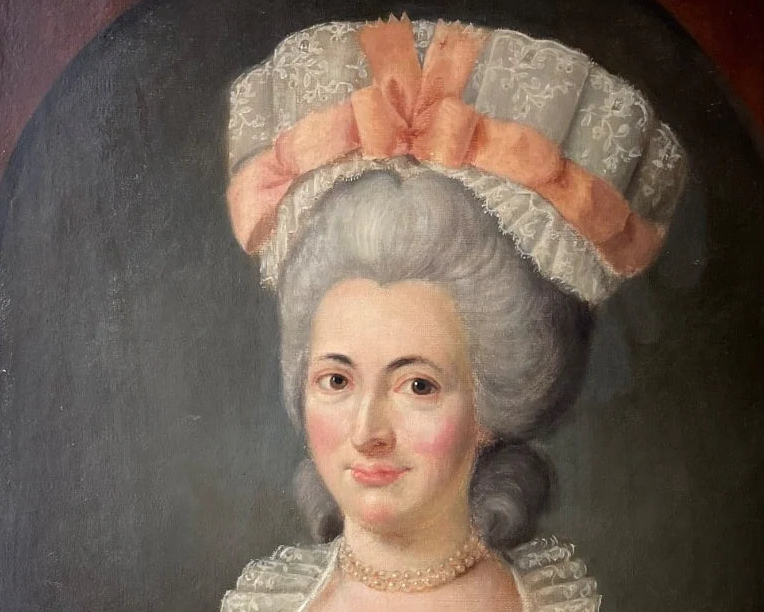
Portraits of Unknown Sitters: Why Anonymous Faces Are the Best Value in Old Masters
History kept the faces and lost the names. Why anonymous portraits are the smartest buy in Old Master painting, and how to judge one like a specialist.
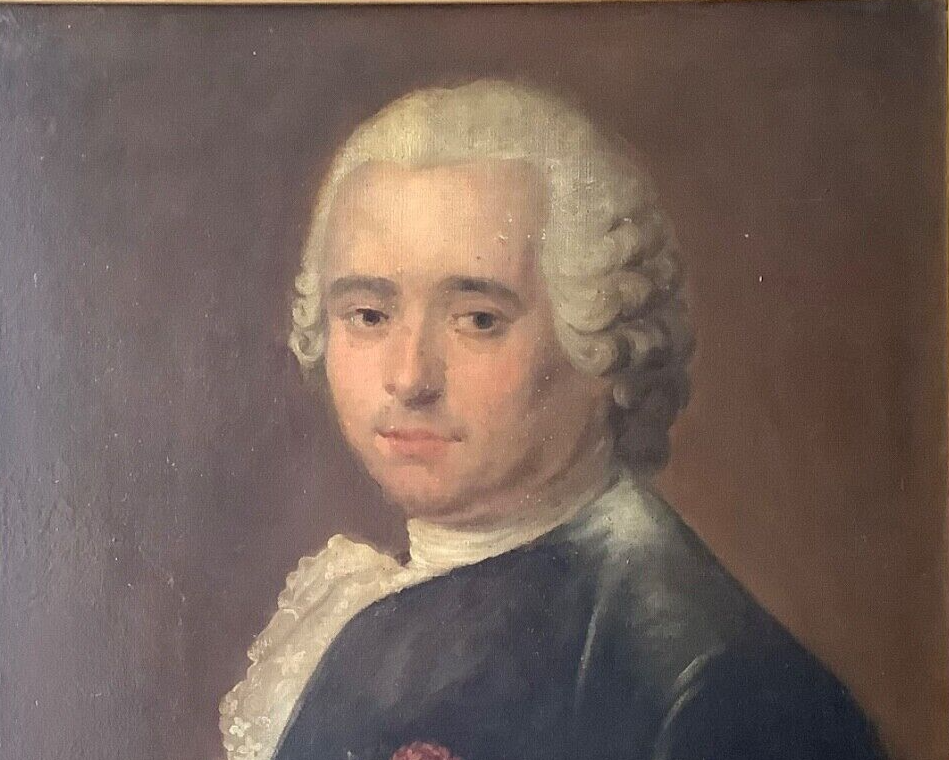
Rigaud, Tocqué and the French Rococo Portrait
One built the image of absolute monarchy, the other perfected the honest likeness. What 'after Rigaud' and 'follower of Tocque' really mean on a painting.
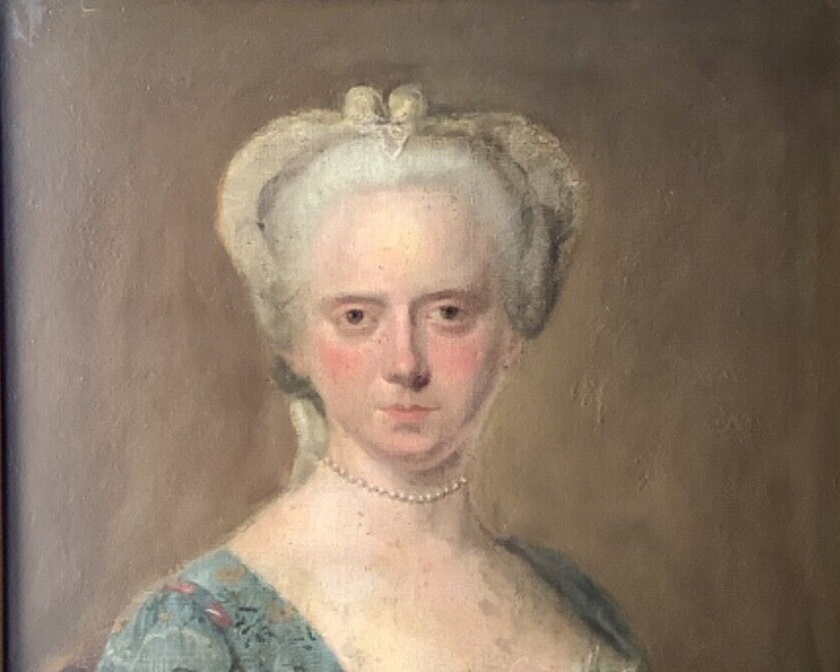
Collecting 18th-Century French Portraits
Rigaud, Nattier, Tocque, Vigee Le Brun and the world they painted: a complete collector's guide to the century of the French portrait.