
Collecting guides
RSS feed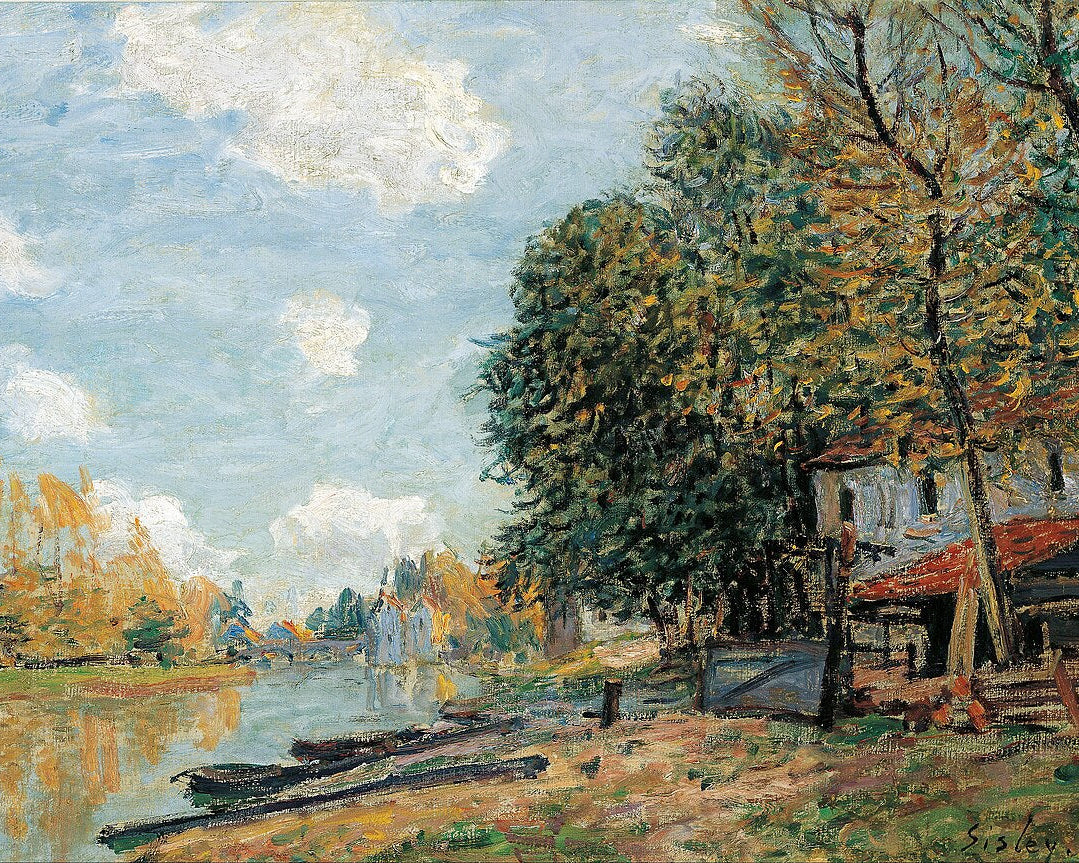
French Impressionist Landscape Painting Beyond the Famous Names
To view our collection of French Impressionist landscape paintings Part of our series on the French 19th-Century Landscape School. See also our pillar guide to The Barbizon School in Painting and o...
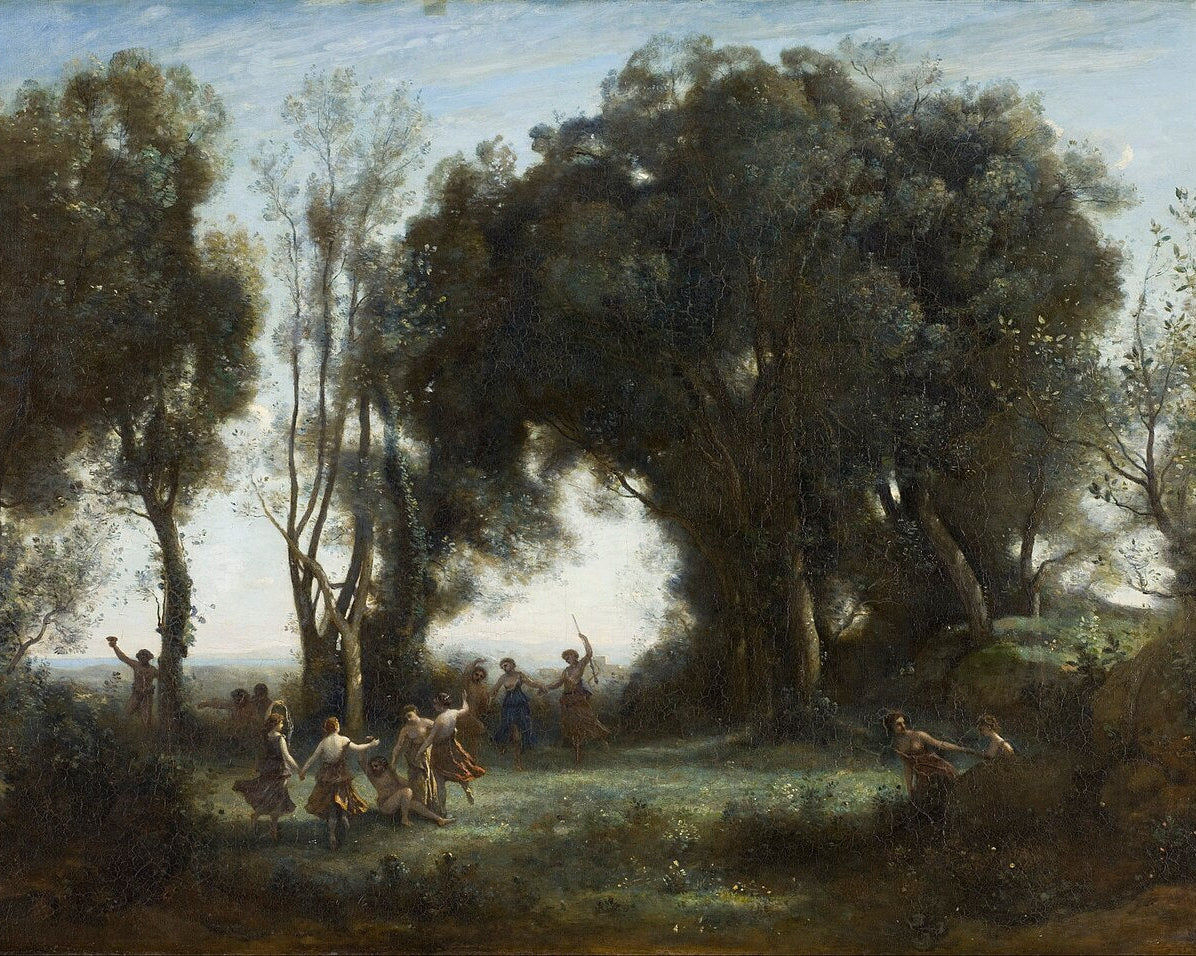
Animated Landscapes: Figures in 19th-Century French Painting
A figure changes everything. Why 19th-century French painters put people in their landscapes, and what animated scenes offer collectors today.
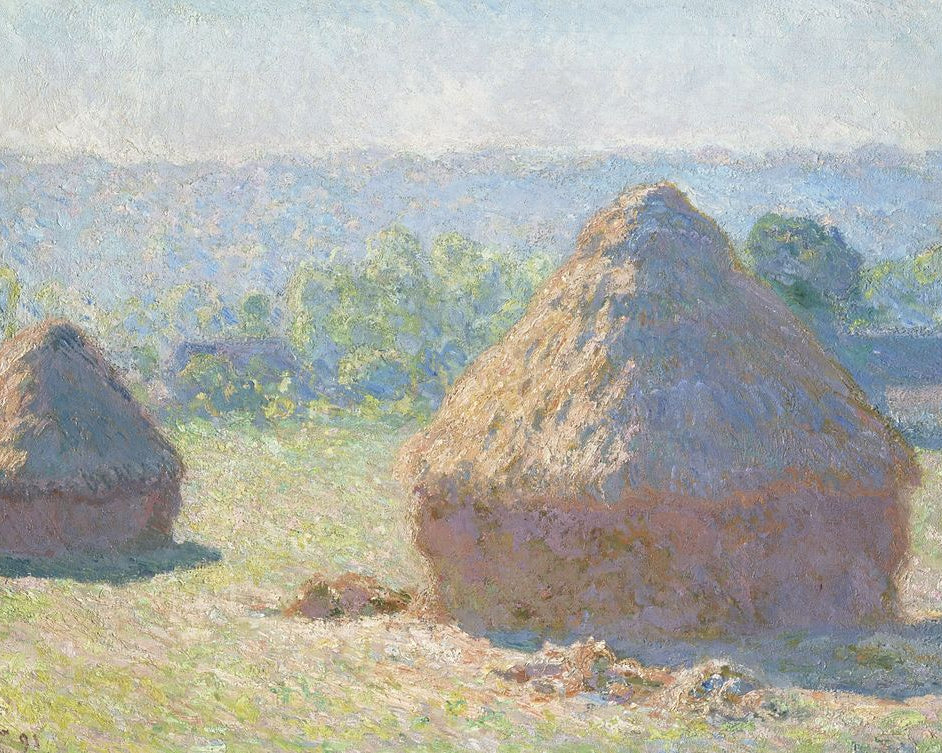
Haystacks in French Painting: Before and After Monet
Monet made them famous, but he was not first. The haystack in French painting before and after Impressionism, from Millet to the painters you can still afford.
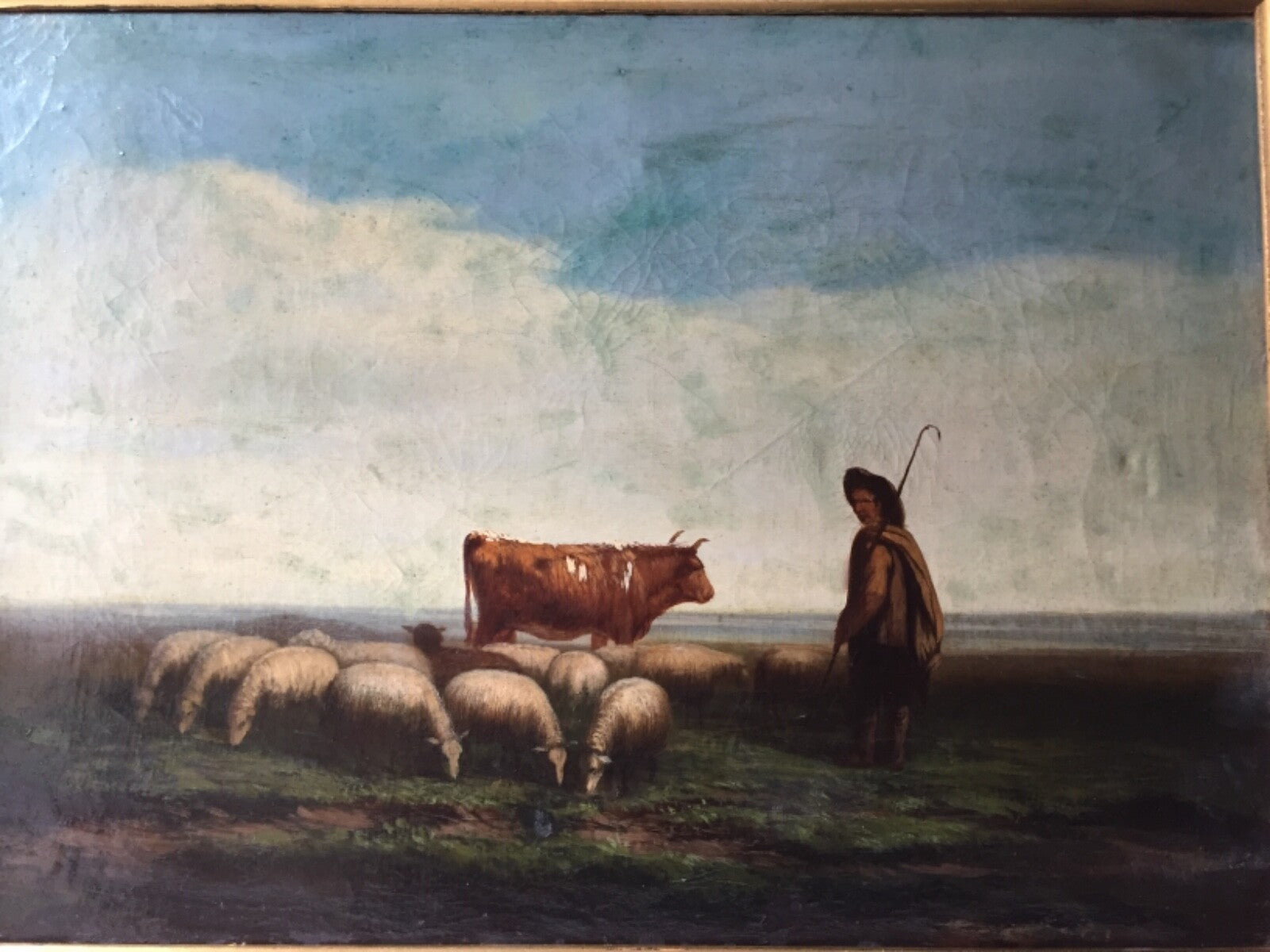
Pastoral Scenes - Shepherds and Sheep in 19th-Century French Painting
Shepherds, sheep and the poetry of rural France: how Millet's heirs painted the pastoral world, and where to find it for your own walls.
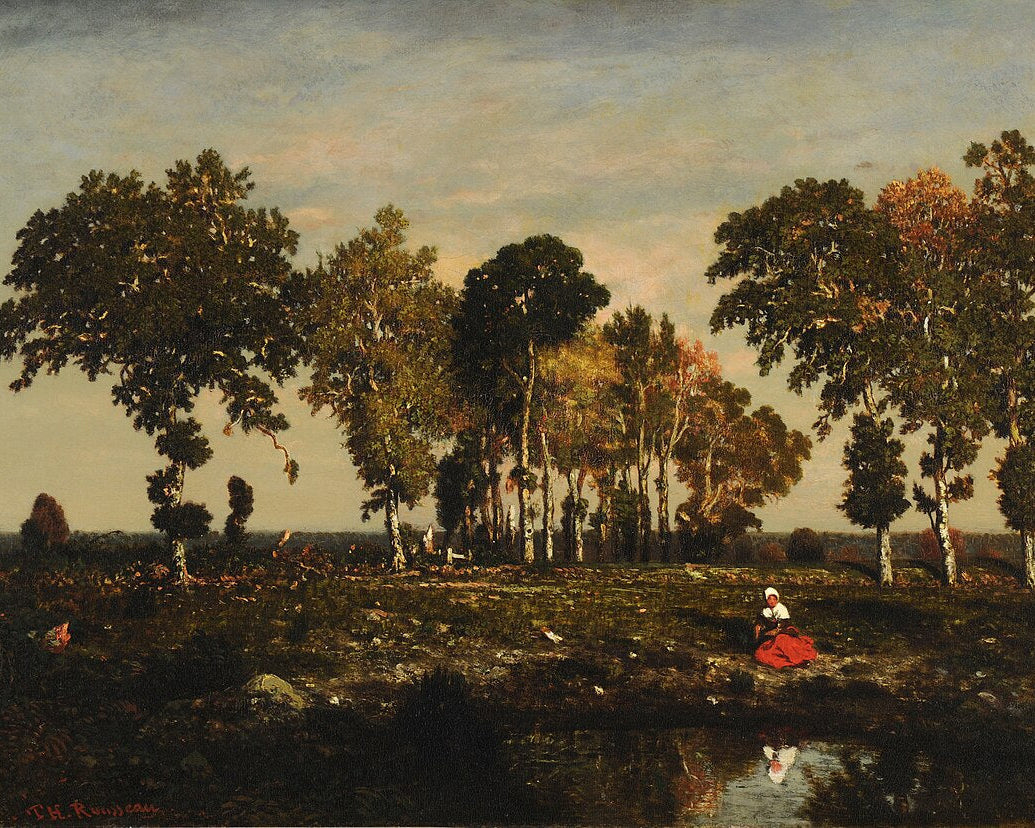
The Barbizon School in Painting
Before Impressionism, there was Barbizon. The painters who left Paris for the forest, and why their world is the smartest entry into 19th-century French art.
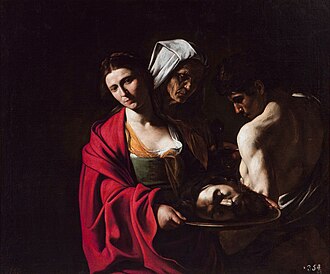
Salome and the Head of John the Baptist in Painting
To view our collection on Salome and Saint John the Baptist Part of our series on the Women of the Gospels in Painting. See also our guides to Mary Magdalene, the Samaritan Woman at the Well, and J...
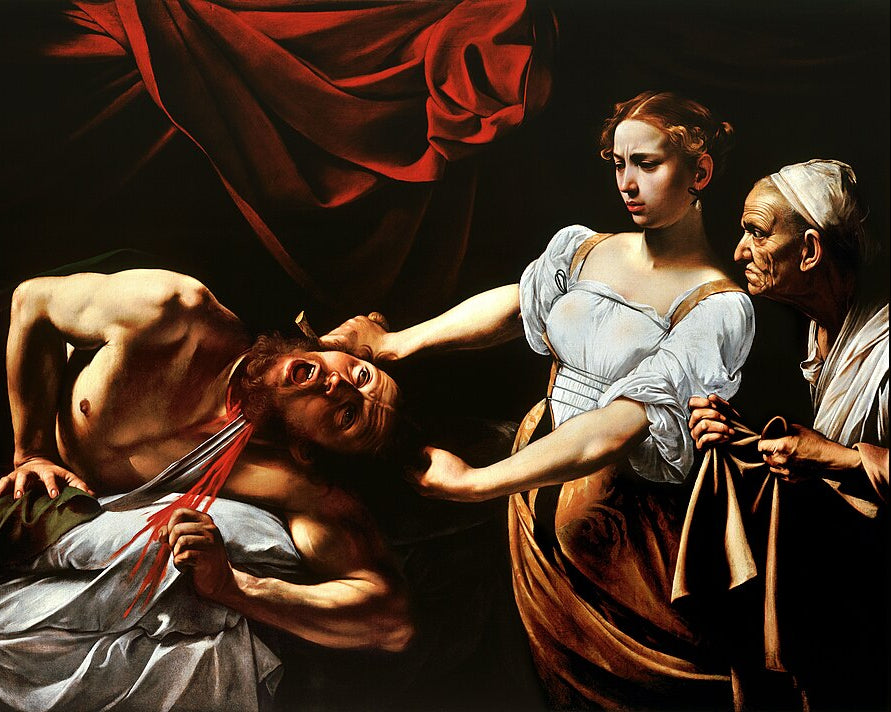
Judith and Holofernes in Painting
To view our collection on Judith and Holofernes Part of our series on the Women of the Gospels in Painting. See also our guides to Mary Magdalene and the Samaritan Woman at the Well. Caravaggio, ...
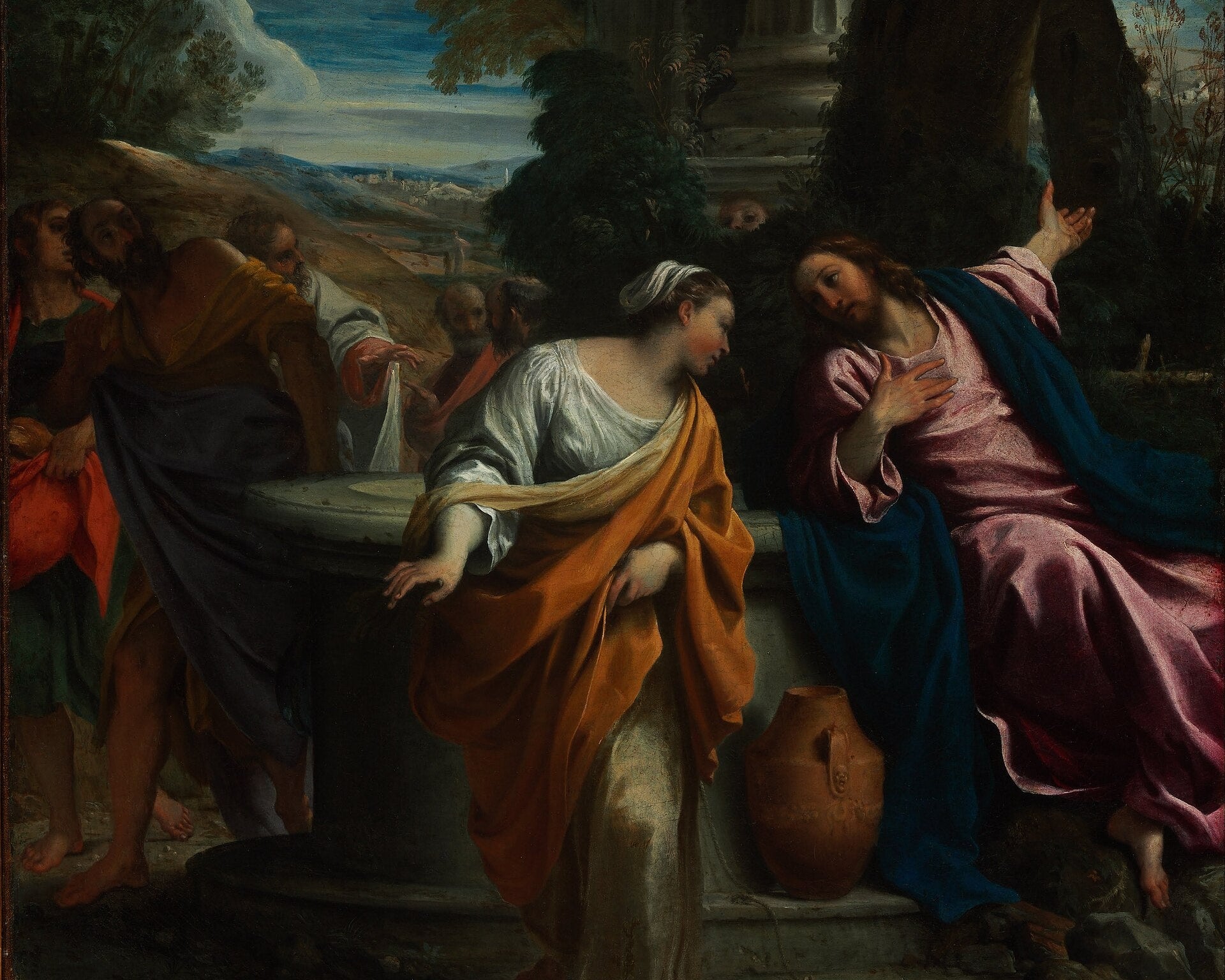
The Samaritan Woman at the Well in Painting
To view our collection on the Samaritan Woman Part of our series on the Women of the Gospels in Painting. See also our guide to Mary Magdalene in Painting. Annibale Carracci, The Samaritan Woman ...
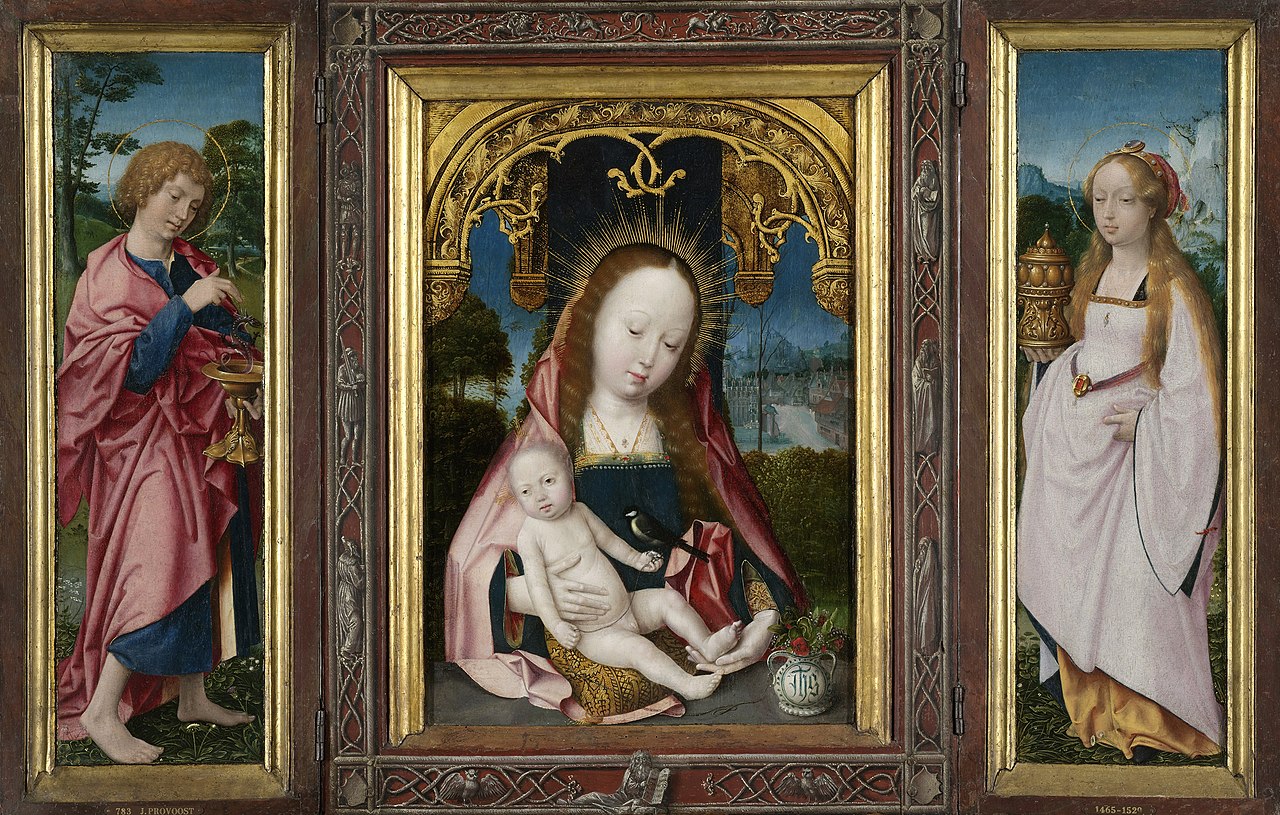
She was a sinner, a saint, a hermit, a feminist icon and for five centuries, the woman every European painter wanted to paint. From Titian's golden storms of hair to Caravaggio's quiet Roman girl i...