Austrian Biedermeier & Habsburg Portraiture
To view our Austrian paintings
Part of our Art Movements & Schools series.
Biedermeier was the sober, precise and intimate style of painting that flourished in Austria and Central Europe between 1815 and 1848, devoted to bourgeois portraits, domestic scenes and meticulous detail. In the Habsburg lands it joined a long tradition of court and imperial portraiture to produce one of the most refined portrait schools of the nineteenth century.
Origins: The Age of the Home
The Biedermeier era runs from the Congress of Vienna in 1815 to the revolutions of 1848, a period of political calm and prosperous middle-class life in the German-speaking world. Its art turned inward, to the family, the parlor and the individual, painted with clarity, restraint and extraordinary attention to detail.

Early Biedermeier (1815-1830) · High Biedermeier (1830-1848) · Later Habsburg Portraiture (1848 onward)
The Habsburg Portrait
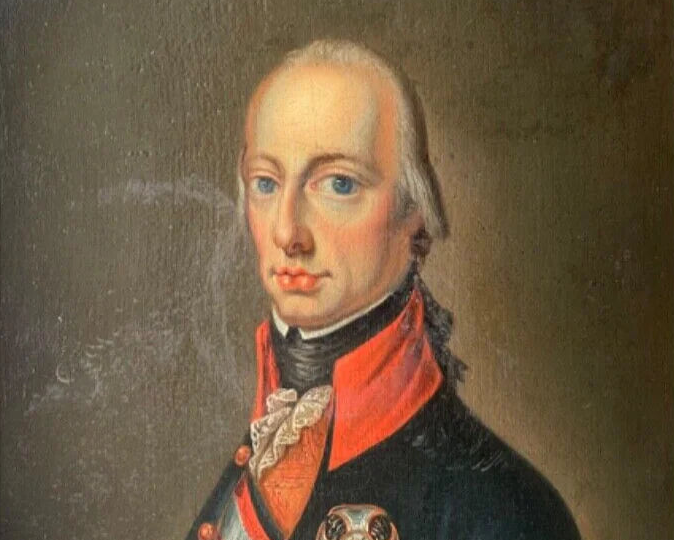
Alongside the domestic Biedermeier ran the grand tradition of Habsburg imperial portraiture: emperors and archdukes in uniform, decorated with the orders of the monarchy, from Francis I to Joseph II and Franz Joseph. These official portraits, and the many fine copies made for palaces, ministries and loyal households across the empire, are the most recognizable images of Central European power, painted with a jeweler's precision.
Legacy
The Biedermeier and Habsburg portrait tradition gives collectors a distinctive Central European alternative to French and British painting: sober, exact, richly detailed, and steeped in the history of the Austro-Hungarian monarchy. Its portraits remain among the most characterful of the nineteenth century.
Austrian Painting in Our Collection
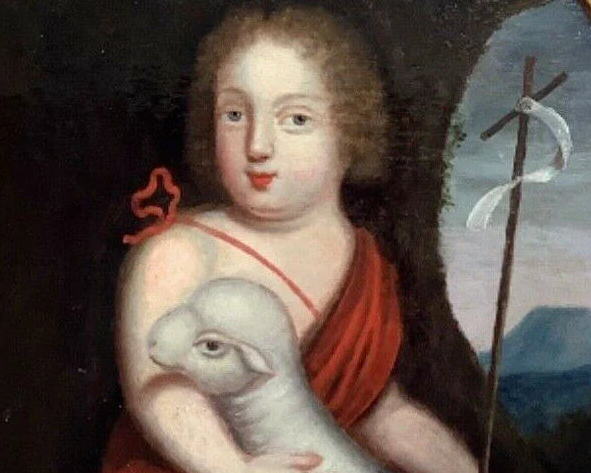
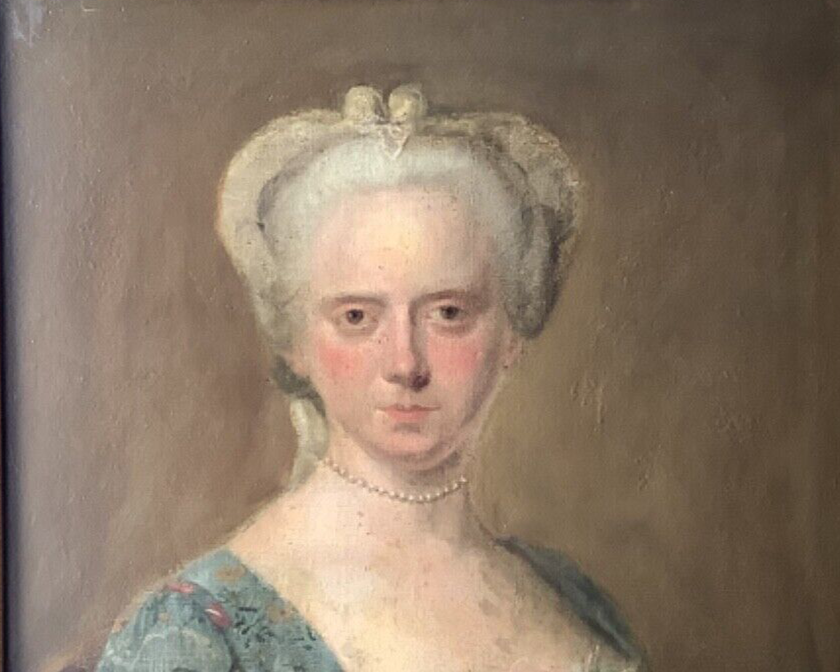
Our collection includes Austrian and Central European paintings, chiefly portraits in the Biedermeier and Habsburg imperial tradition, on canvas, several depicting members of the imperial house.