



Austrian School, early 19th century
Lady with a Jeweled Tiara, 1800s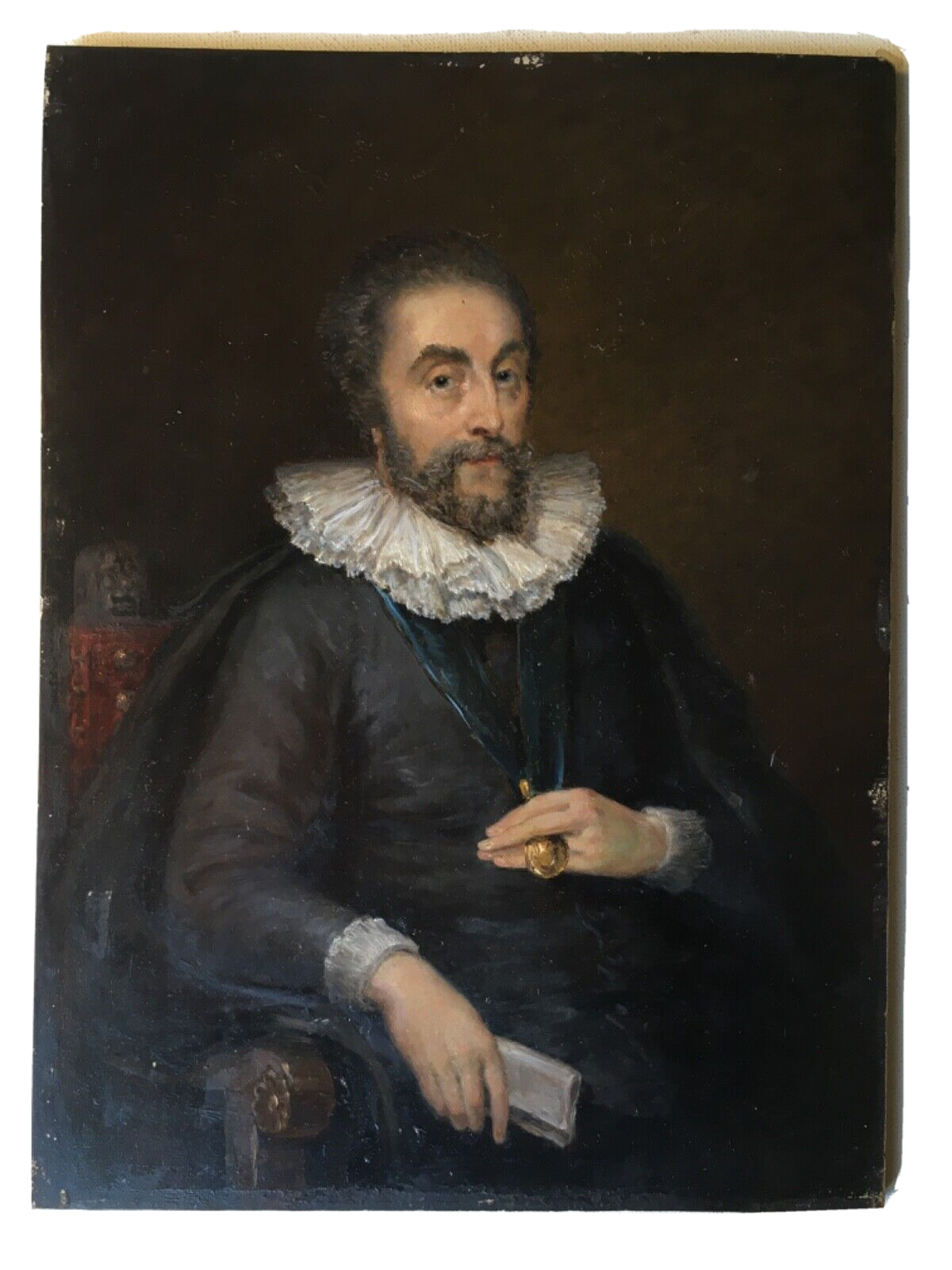
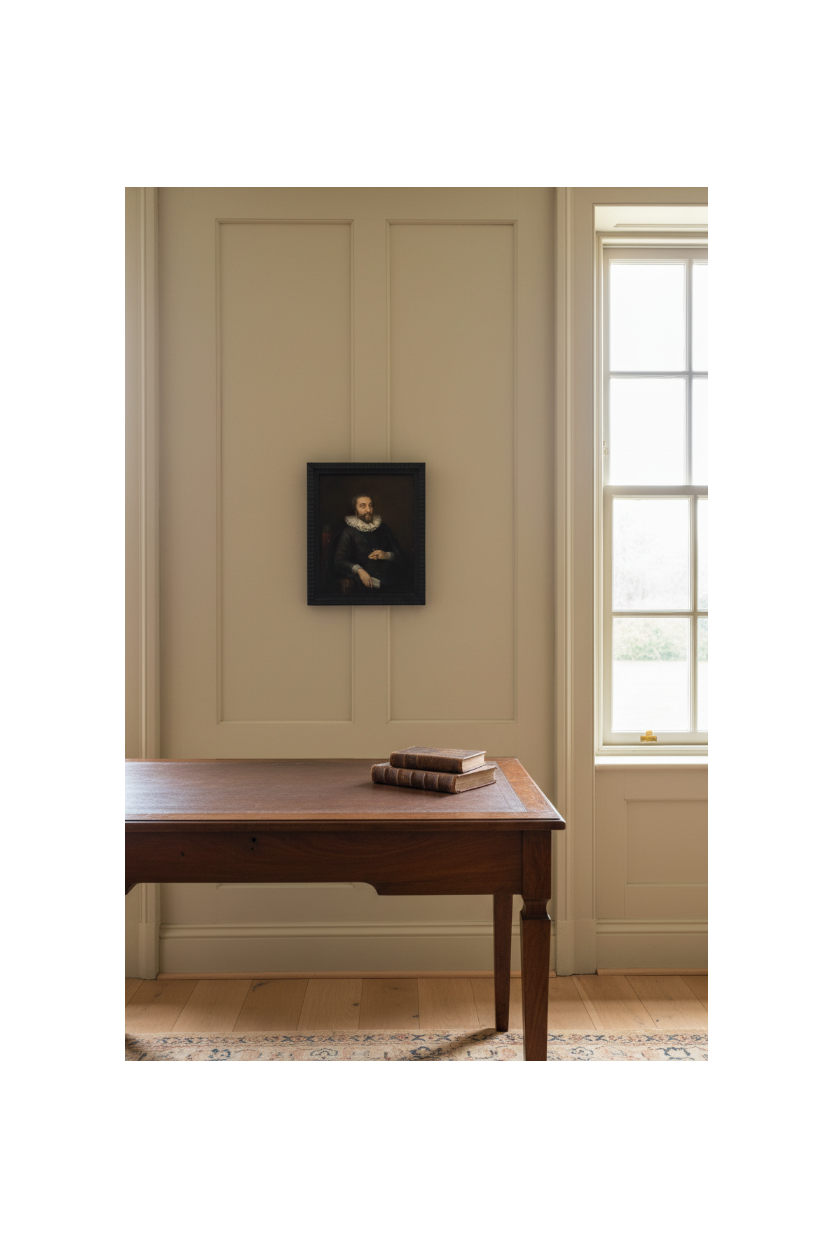
European School, 19th century
Earl of Arundel, after van Dyck

Austrian School, early 19th century
Habsburg Officer, 1800s

Charles Joshua Chaplin (1825-1891)
Portrait of a Puppy, 1882
GalerieClub Fine Art
1,100+
paintings sold since 2017
 Sold
 Sold
 Sold
Our promise
- Every painting photographed front and back
- The frame you see is the frame that ships
- Free tracked UPS Express Saver to the US
Elsewhere in the gallery
-
 Format
Antique Paintings in Large Period FramesPaintings in heavy period frames16 for sale
-
 Format
Horizontal Antique PaintingsWider than they are tall22 for sale
-
 Format
Small Antique Portrait PaintingsCabinet-size portraits13 for sale
-
 Format
Vertical Antique PaintingsTaller than they are wide46 for sale
- The questionsHow to Collect Antique Paintings


Small antique paintings for sale at GalerieClub
Size never measured importance. The collectors of the 17th century kept their best pictures close, and painters answered with small antique oil paintings finished to be studied at arm's length. This collection carries that tradition from the Baroque to the early 20th century, with many small French works and small portraits gathered in their own collection of small antique portrait paintings.
-
A cabinet was a room, not a piece of furniture. Wealthy collectors of the 17th century gave the name to the small private chamber where they kept their finest paintings, and an antique cabinet picture is a work sized for that room. The smoothest supports suited it best. Oak panel takes a thin paint layer without the grain of canvas, and a painting on copper holds detail almost like enamel. Small religious scenes and Flemish and Dutch panels belong to this tradition, and the joins and battens on the back of a panel often help to date it.
-
A landscape painter outdoors needed something he could carry. In the 19th century many painters worked on small panels and canvases directly in front of the motif, and a small antique landscape painting of heath, harvest field or coast often keeps the speed and freshness of that first session. Some were finished later in the studio. Others were left as the painter brought them home, signed on the spot.
-
Dogs sat for portraits too. Owners of the 18th and 19th centuries commissioned likenesses of a favourite spaniel or a new puppy at the same intimate scale as a family portrait, and a small antique dog oil painting was usually made for the house, not for exhibition. The breed, the collar and the cushion often say more about the household than about the dog.
-
On a small work every stroke shows. A signature in a lower corner, sometimes with a date, places the painting in its painter's career, and unsigned works are described by school and period, as our guide to reading an attribution explains. A wide gilt frame does real work on a small painting. It draws the eye inward and gives a modest canvas the presence of a much larger one.
Shipping is free to the USA and Canada, packed and tracked from France. New to buying old paintings? Start with our guide to How to Collect Antique Paintings.